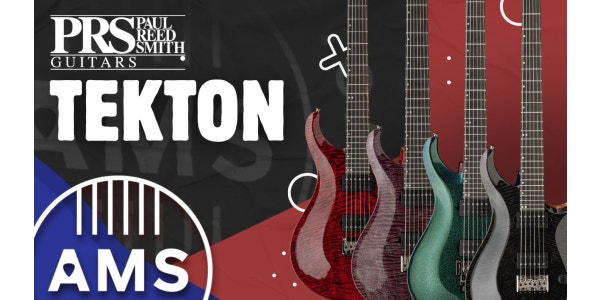

No instrument has shaped the course of popular music more than the electric guitar. With one in your hands, the possibilities are endless – showcasing beautiful soaring melodies, setting the stage with thundering rhythmic foundations, incorporating colorful chording backdrops, accompanying yourself while singing, and on and on! You’re ready to get started - electric guitars come in all different shapes and sizes, so where is the best place to begin? No worries, we’re here to answer your questions and help you on every step of your journey.
Of all the different types of electric guitars, the six-string Solidbody Electric Guitar is by far the most common, and will be the one that beginners seek out. For all intents and purposes, our guide here will be discussing solidbody electric guitars.
Let's get started...
The Electric Guitar, a quick overview
The main body of the electric guitar is carved out of a solid piece of wood and at the beginner price point, the neck is most often a separate piece that is attached to the body. A ‘set neck’ incorporates joints that are glued in place, while a ‘bolt-on’ neck uses hardware to attach. The bridge is secured at the base of the body, allowing the strings to be set in place and positioned evenly up the neck and through the tuning machines.
The electronics (pickups, controls and wiring) are mounted to the guitar body. Pickups are magnets wrapped with wiring that, when paired with the plucking or strumming of the strings, induces an electric current that is then transferred from guitar to an amplifier. The transfer of sound comes from simply plugging one end of a 1/4” instrument cable into the guitar and the other into an input on a guitar amp.
Choose your style
When selecting a guitar, the look and design contribute to overall visual representation of its user. No other instrument compares to the electric guitar in terms of variety of color options and visual build choices.
Beginner guitars from Squier and Epiphone are incredibly popular, used by legions of students of all ages in homes, lesson studios, schools, and for performances of all types. Squiers are modeled after the instantly recognizable Stratocaster and Telecaster by Fender, while Epiphones follow the iconic Les Paul by Gibson. Going with one of these starter instruments means you’ll enjoy the general character, feel, and flavor of a professional axe at an incredible value price point.
The construction of beginner models is consistent, sturdy, and straightforward, while their pickups are meant to be more sonically neutral in their default positions. This allows the player the freedom to make minor adjustments as necessary to play in a variety of styles such as pop, blues, classic rock, and country.
Get ready to go heavy
Drawn toward hard rock, heavy metal, and more experimental types of music? Then you need to check out Ibanez Standard and Ibanez Gio guitars, ESP LTD guitars, Schecter, and Jackson. In addition to having pickups that sound a bit hotter, grittier, and more driven, these instruments come in a variety of wildly different body shapes, colorful finishes, and intense designs that go well beyond the basic options. An exciting thing about today’s various music scenes is that you don’t have to follow the traditional template for a specific genre if you don’t want to. If you’re feeling the desire to take things in a menacing direction and put a new spin on your favorite songs, then these are the guitars to make that a reality!
Power up with an Amplifier
For beginners, a small practice amp is needed when playing in a bedroom, basement, garage, music room, or home studio. AMS is stocked with a wonderful variety of Guitar Combo Amps – these are models that contain the speaker, preamp and power amp sections, and internal power supply elements all inside one unit. Simply plug them into power, plug in your electric guitar, and you’re ready to go!
Solid-state amps use transistors to convert signal to audio and are the most common choice for beginners. They are lightweight, consistent, and incredibly easy to use, making them ideal for anyone starting out. Fender Solid-State Amps like the Champion series, Marshall Combo Amps like the MG series, and the Crush lineup from Orange Guitar Amps are all price-friendly models that include a variety of basic tone-shaping controls for EQ (high and low frequency controls) and gain. Certain varieties of these amps also include a few extra basic digital effects (like reverb or delay) and a headphone jack for personalized practice, along with additional connectivity options allowing you to play along with a backing audio track from another device.
Stock up on essentials
Making sure an electric guitar is protected during storage and transport is an absolute necessity – Electric Guitar Cases or Electric Guitar Bags should always accompany an instrument and keep it safe. You also need regular essentials to keep any guitar up and running, including Strings, Picks, Cables, Stands, and necessary Guitar Accessories. Guitar Care items such as polishes, treatments, and cleaning cloths will make sure that your guitar continues to look its best.
Additional Electric Guitar Resources
Each guitar uses different pickup configurations to influence the tonal flavor and the engineers from different brands incorporate their pickup designs to bring you sonic choices that go hand-in-hand with the type of music you want to play! In short, a pickup is to an electric guitar what a microphone is to a singer’s voice. For more detailed information on the different types of pickups, how they work, and what kind of sound they produce, be sure to check out this guide.
With all of the information out there surrounding guitars and their accessories, it can be easy to overlook the fact that everything starts with your guitar strings. This handy guide talks about the different types of guitar strings, the different sizes (called gauges) that are offered, how and when to change them, and more helpful information that is important for beginning electric guitar players to know.
AMS is here to help guide you on your musical journey
We look forward to serving your needs and are here to assist you in finding the right beginner electric guitar. We’re here to serves as your stop for a first electric guitar, important tools to go with the instrument, and for essentials anytime you need to reload in the future. Our 0% interest payment plans make it easy to bundle your order together and enjoy one regular monthly payment. You can also give us a call at 1-800-319-9043, our gear experts are standing by - we’d love to hear from you and answer any questions you may have.