Get FREE shipping on all orders!
Fast FREE shipping on all orders!
An audio processor is all about control. It helps tame dynamics, clean up tone, and bring consistency to sounds that feel uneven or unfinished. Whether you’re recording vocals, tightening up instruments, or polishing a full mix, the right signal processor makes small adjustments that add up to a big difference.
In a studio setup, a sound processor steps in when raw audio needs help. It can tame dynamics, shape tone, or add subtle polish that makes recordings feel finished instead of rough. Some setups lean on a single processor for one job, others stack a few pieces to build a workflow that fits the way you work. At American Musical Supply, our selection covers everything from simple problem-solvers to deeper tools that give you more control over how sound behaves from start to finish.
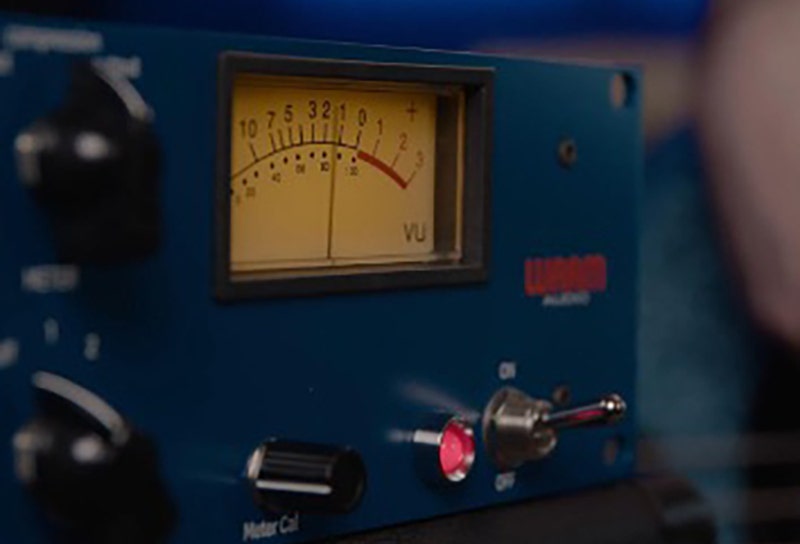
At its core, an audio processor exists to make sound easier to manage. Raw audio can be unpredictable, jumping in volume, clashing in certain frequencies, or feeling uneven from moment to moment. A signal processor steps in to smooth those issues out so the sound behaves the way you expect.
Here’s what sound processors are commonly used for:
A sound processor isn't used to change everything. They make small, intentional moves that help audio translate better, wherever it's played.
Different audio processors handle different jobs, and most studios end up using a few of them together. Here’s a practical look at the most common types and when they come into play.
Harmonizers and vocal processors blend pitch-shifted versions of a signal with the original to create rich, layered effects, often used on vocals for more depth or creative texture. They’re popular in pop, rock, and electronic production because they can add thickness and character without extra tracks.
A mic preamp boosts a microphone’s low-level signal to a usable level while adding clarity and definition before it’s recorded or processed further. Choosing the right preamp can make a noticeable difference in warmth and presence.
Audio compressors control dynamics by reducing the volume of louder parts and bringing softer sounds closer to the same level, helping elements sit more cohesively in a mix. They’re used on vocals, drums, guitars, and full mixes to smooth out performance inconsistencies or add punch.
Mastering processors add the final polish to a mix so it sounds consistent and balanced across playback systems, working on the stereo mix as a whole rather than individual tracks. Mastering processing is often the final step before audio is ready for playback or release.
Each type brings a different set of tools to your setup, helping you control, enhance, or creatively shape audio in ways that match your goals.
The best signal processor is the one that fits how you work. Before worrying about brand names or deep specs, it helps to think about where the processor will live in your workflow and what problem you’re trying to solve.
Here are a few things to keep in mind:
A sound processor should make your setup feel easier, not more complicated. When it fits your workflow, you’ll reach for it often and trust what it brings to the sound.
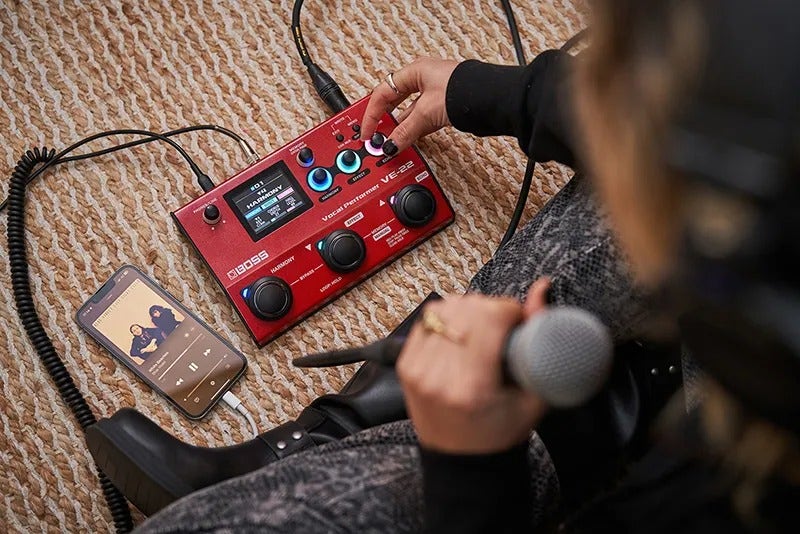
Audio processors are typically designed for studio or production use and focus on control, clarity, and consistency. Effect pedals are often more performance-oriented and creative.
Not always, but many producers use hardware processors alongside software for hands-on control or specific sonic character.
No. Many home studios and content creators use signal processors to improve vocal clarity and consistency.
When you’re ready to take control of how your audio behaves, a dedicated audio processor can make a real difference. From tightening vocals to polishing a full mix, the right signal processor helps shape sound with intention.
American Musical Supply offers a wide selection of sound processors for studios, content creators, and production setups, with flexible payment plans that make it easier to add the gear you need when inspiration hits. Explore the lineup and find the processor that fits how you work and what you want to hear.