Get FREE shipping on all orders!
Fast FREE shipping on all orders!
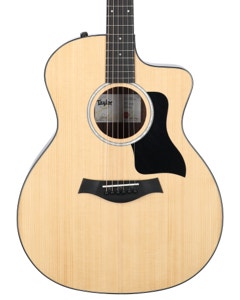
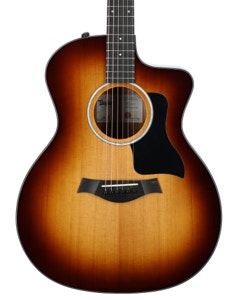
The Grand Auditorium acoustic guitar might have been popularized by Taylor in the 1990s, but it's now a household name from brands like Martin, Washburn, Alvarez, Merida, and more. If you're looking for an acoustic with similar projection of a dreadnought, comfort of a parlor, and easy access of a cutaway acoustic, you've come to the right place.

12 Payments of $66.58
h m s

12 Payments of $83.25
h m s

12 Payments of $124.92
h m s

12 Payments of $91.58
h m s

12 Payments of $49.92
h m s
12 Payments of $116.58
h m s

12 Payments of $83.25
h m s

12 Payments of $108.25
h m s
12 Payments of $133.25
h m s

12 Payments of $83.25
h m s

12 Payments of $166.58
h m s

12 Payments of $66.58
h m s
The grand auditorium is one of the most versatile acoustic guitar body shapes out there and arguably the go-to choice for players who don't like being pinned down to one style. It sits between big dreadnoughts and smaller bodies, giving you a balanced tone, comfortable playability, and consistent response across whatever style you're playing.
Popularized by Taylor Guitars, this shape handles fingerpicking, strumming, and lead lines, all with equal ease. Grab a grand auditorium acoustic off the rack, and you'll hear the balance right away. If you want one guitar that does it all, the this is the shape to know.
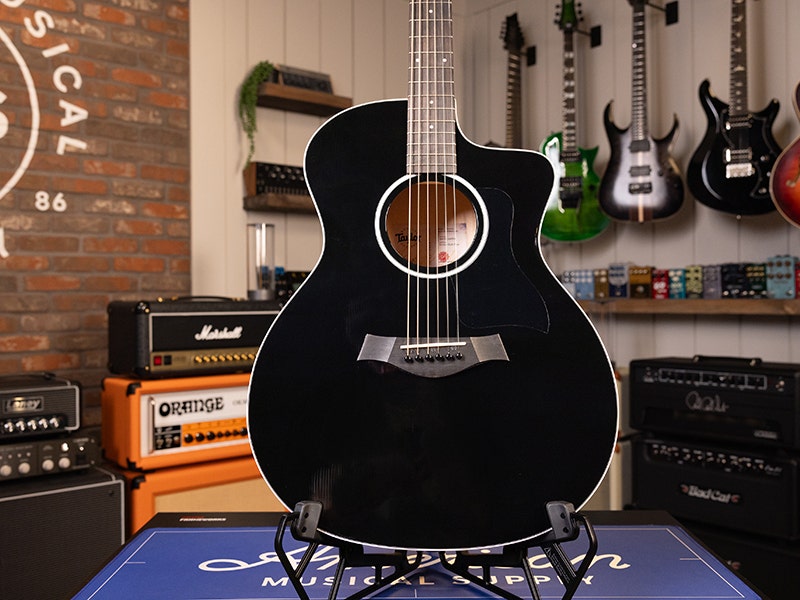
A grand auditorium is a mid-size acoustic guitar with a noticeable waist curve and a slightly narrower profile than a dreadnought. It delivers a balanced tonal response across low, mid, and high frequencies, with clear note separation that keeps individual notes distinct and pronounced.
Taylor Guitars popularized the grand auditorium name and shape with its 14-series and 800-series models. Other makers produce similar guitars under names like "auditorium," "orchestra model," or "OM," so the shape concept is widely available even if the exact label varies by brand.
The size also makes a physical difference. Grand auditorium guitars sit comfortably against the body during long practice sessions, which players with smaller frames or those who log serious playing hours tend to appreciate.
The grand auditorium and dreadnought are both great guitars, but they serve different purposes. If you're someone who switches between fingerpicking and strumming — or spends a lot of time recording — the grand auditorium is probably your best bet. If you're a flatpicker who needs more volume for bluegrass jams or folk sessions, the dreadnought's got your back.
Here's the thing about dreadnoughts: that big body pushes a lot of air, which means a fuller low end and a much stronger projection. It’s great for cutting through the mix in a band setting, but that same low end can sometimes get a tad muddy when you're fingerpicking. Of course, you can control of that with your touch as you play. And if you're on the smaller side, lugging around that larger body for hours might not be the most comfortable experience.
The grand auditorium keeps things balanced. The low end is still there, just more controlled, and the mids and highs come through nice and clear, which is exactly what you want for chord-melody playing, lighter strumming, or studio work. Players who own both shapes tend to grab the grand auditorium when they want nuance and detail, and switch to the dreadnought when they need to turn things up a notch.
The grand auditorium shape suits players who do a bit of everything, and its narrower waist is the main reason. That curved waist positions the guitar closer to the body, reducing arm fatigue during extended sessions. Players transitioning from a classical or parlor guitar will find the jump to grand auditorium manageable. Players coming from a jumbo may notice the reduced low-end resonance, but most find the trade worthwhile for the added control.
Tonewoods shape the character of your sound more than almost any other construction variable. Spruce tops, Sitka spruce especially, are the most common choice for grand auditorium guitars, producing a bright, articulate response that holds up across dynamic ranges. Cedar tops run warmer and respond very well to lighter touch, which makes them popular among fingerstyle players. For back and sides, rosewood adds depth and sustain, mahogany produces a warm midrange focus, and maple brings clarity and strong note separation. No tonewood is universally better, the right choice really comes down to the style you play most.
The grand auditorium's popularity comes down to one thing: it does almost everything well. Its balanced tonal response keeps individual notes defined when fingerpicked and chords clear when strummed hard. The one exception? Heavy bluegrass flatpicking. Players who need maximum volume and serious low-end punch for that style will likely be happier with a dreadnought.
Many grand auditorium models are available as acoustic-electric guitars, often paired with a cutaway body that allows access to the upper frets. If you plan to perform live or record direct, these features are worth prioritizing.
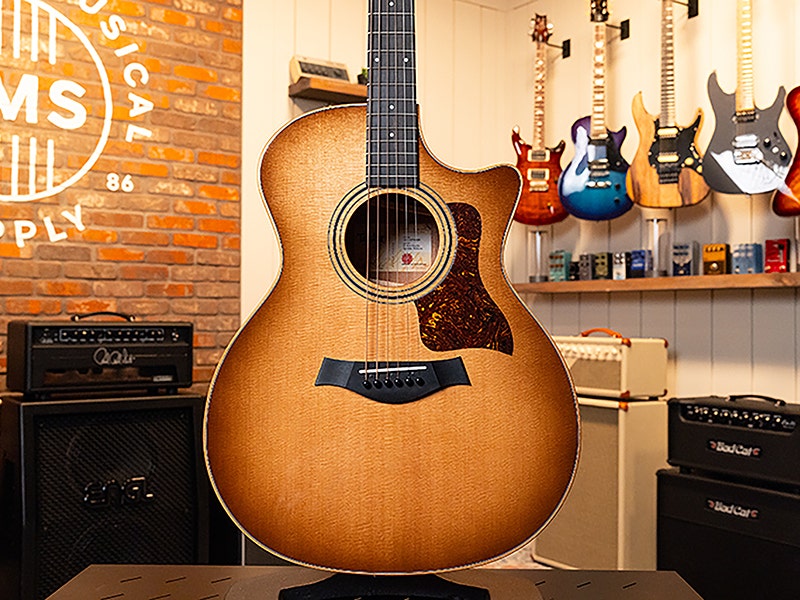
Everyone wants a solid top on their acoustic guitar, but it’s not always practical for the budget. However, the Taylor 314ce Studio brings premium tonewoods to a more accessible price point — sporting the legendary Taylor Grand Auditorium body, of course.
AMS carries a wide selection of grand auditorium guitars led by Taylor, which built their reputation around this body shape. Models from additional brands like Merida, Kepma, Alvarez and more, round out the catalog across a broad price range with options starting under $500 and extending into professional-grade instruments. All orders ship free, and AMS offers 0% interest payment plans using your existing credit card, so you can spread the cost without paying extra.
Still on the fence about the grand auditorium? Here are three popular alternatives to consider:
Every playing style has a guitar shape to match. Take your time, explore a few options, and let your ears guide the decision.
Protect and maintain your instrument with the right accessories from day one. A well-fitted acoustic guitar case or gig bag keeps your guitar safe in transit, and a fresh set of acoustic guitar strings can noticeably improve tone and playability on any new or used instrument.
A grand auditorium guitar is a mid-size acoustic body shape with a balanced tone across bass, mid, and treble strings. Taylor Guitars popularized the name, and the shape is widely recognized for its versatility across strumming, fingerpicking, and recording.
A dreadnought is larger, louder, and more bass-heavy, making it better suited for flatpicking and high-volume acoustic playing. A grand auditorium is smaller with a more balanced tonal profile, performing well for players who mix strumming and fingerstyle or who play in recording contexts.
Taylor Guitars is most closely associated with the grand auditorium name and shape. Other manufacturers — including Seagull, Fender, and Yamaha — produce acoustically similar guitars under names like "auditorium" or "orchestra model," though the exact naming conventions vary.
Yes, the grand auditorium's balanced tone and comfortable body make it one of the most versatile shapes out there — ideal for players who like to switch between fingerpicking and strumming.
Martin doesn't use the "grand auditorium" label. The closest equivalents are the Martin 000 and OM (Orchestra Model), which offer a similar mid-size body and balanced tonal response.
Yes, the grand auditorium's moderate body size, comfortable waist, and balanced string response make it a great first acoustic for players who haven't yet settled on a style. It keeps your options open without boxing you into one sound early on.