Get FREE shipping on all orders!
Fast FREE shipping on all orders!
Fender invented the Stratocaster in 1954 and everyone has been chasing that same perfection since. Today, many manufacturers including Fender, PRS, Schecter, Ibanez, Charvel, Jackson, and ESP make their own "S-style guitars" that attempt to replicate the Stratocaster's iconic look and playability. See what the hype is all about and grab an S-style guitar for yourself.
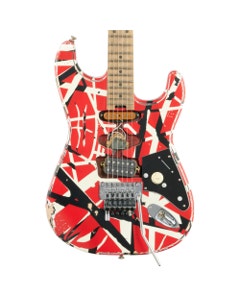
12 Payments of $177.50
h m s

12 Payments of $56.67
h m s

12 Payments of $191.67
h m s
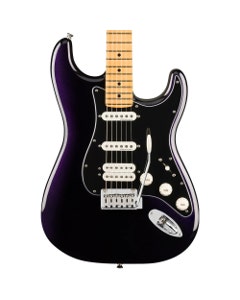
12 Payments of $90.00
h m s
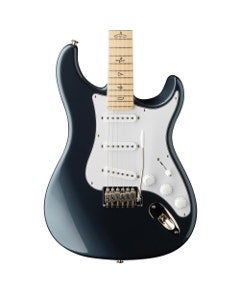
12 Payments of $229.08
h m s
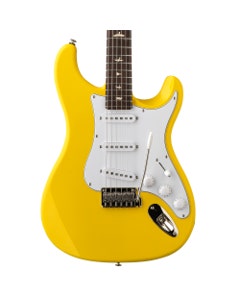
12 Payments of $79.08
h m s

12 Payments of $104.17
h m s

12 Payments of $125.00
h m s

12 Payments of $196.67
h m s
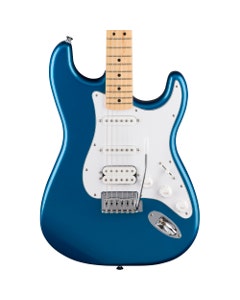
12 Payments of $56.67
h m s
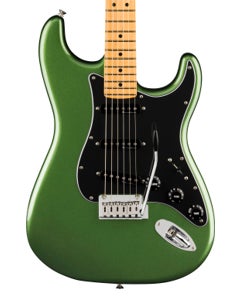
12 Payments of $87.50
h m s

12 Payments of $70.83
h m s
An S-style guitar is a double-cutaway, contoured-body electric guitar similarly shaped to the Fender Stratocaster. Regardless of who made it, the term covers a wide range of instruments built around three pickups, a bolt-on maple neck, and a synchronized tremolo bridge, spanning from budget Squiers to high-end signature models.
The S-style guitar is the most imitated body shape in electric guitar history — and for good reason. When Fender introduced the Stratocaster in 1954, it nailed so many things that manufacturers have been chasing it ever since. Today, S-style guitars come from dozens of brands at every price point, and the differences between them run much deeper than the logo on the headstock.
Here's what actually sets one S-style guitar apart from another — and what to look for before you buy.
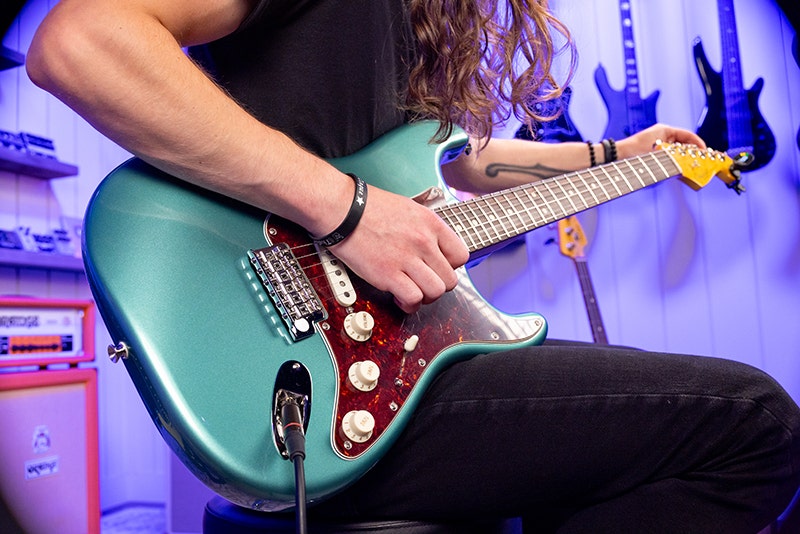
S-style guitars share a few defining features across every brand and price point. The double-cutaway body sports a contoured back and forearm bevel — a design that keeps the guitar comfortable against your body during long playing sessions. It's that thoughtful ergonomic shaping that keeps players coming back to this style, no matter what genre they're playing.
The standard layout uses three pickups controlled by a five-way selector switch, though HSS (humbucker, single, single) and HH (humbucker, humbucker) configurations have expanded the tonal range considerably. Most S-style guitars use a bolt-on maple neck, which provides a bright, snappy attack and makes neck replacement or repair straightforward. The bridge is typically a synchronized tremolo, also called a vintage-style tremolo or a two-point tremolo depending on the model, but hardtail models also exist.
SSS means three single-coil pickups across all three positions. This is the classic S-style configuration, producing the brightest, most articulate tones and the characteristic "quack" of the in-between positions on the five-way switch. Single coils tend to pick up more ambient hum than humbuckers, but that tradeoff comes with a clarity and touch-sensitivity that humbucker players often envy.
HSS adds a humbucker at the bridge while keeping single coils in the middle and neck positions. The bridge humbucker handles high-gain tones without the buzz, and the rest of the guitar still sounds nice and sparkly. For players who regularly switch between clean and driven tones, HSS is the practical middle ground.
HH uses two humbuckers and sits furthest from the traditional S-style voice. Output is higher, hum rejection is full, and the overall character is warmer and thicker throughout. HH S-style guitars are a natural fit for hard rock and metal, though you'll trade off some of that crisp, classic single-coil definition along the way.
Alder and ash have been the standard S-style tonewoods since the 1950s. Both are well-balanced, with alder leaning slightly fuller in the midrange and ash offering a bit more top-end sparkle and visible grain. Alder is the go-to tonewood for most mid-to-upper-tier S-style guitars.
Basswood shows up more frequently on budget models. It's lighter than alder or ash and tonally more neutral — making it easy to work with at scale. Players sensitive to weight will appreciate it, while those chasing vintage character probably won't.
Let's be clear: body wood has less impact on tone than your pickups, electronics, and overall build quality. A well-built basswood guitar with quality pickups will sound better than a poorly built alder guitar — every single time.
Most S-style guitars ship with a synchronized tremolo bridge, which lets you use a whammy arm for vibrato and pitch dips. The tremolo is part of the S-style identity, but it does require setup attention to stay in tune, especially after heavy use.
If tuning stability matters more to you than tremolo acrobatics, a hardtail bridge is your answer — six saddles fixed firmly to the body, no setup fuss required. Squier makes a few solid hardtail S-style options at the entry level. On the opposite end of the spectrum, you can also find Floyd Rose-equipped S-style models for players who want a locking tremolo built to handle the aggressive whammy work.
S-style guitars at AMS cover a wide price range. Entry-level Squier S-Style models start around $250 to $500. Mid-tier S-style guitars — which many people like for their combination of quality build materials AND cost-effectiveness — range somewhere between $500 and $1,200. And pro-level S-style guitars range from $1,500 and climb from there.
The jump in price reflects differences in build origin, component quality, and finishing. Whether that gap matters depends on how and how often you play.
AMS stocks tons of S-style guitars across brands including Fender, Squier, Ibanez, EVH, Ernie Ball Music Man, Sterling by Music Man, Schecter, Jackson, PRS, and Charvel. That range covers budget entry points, mid-tier workhorses, and high-output Superstrat models alongside traditional Strat-voiced options.
Browse the full S-style guitar selection at AMS to filter by brand, price, and pickup configuration.
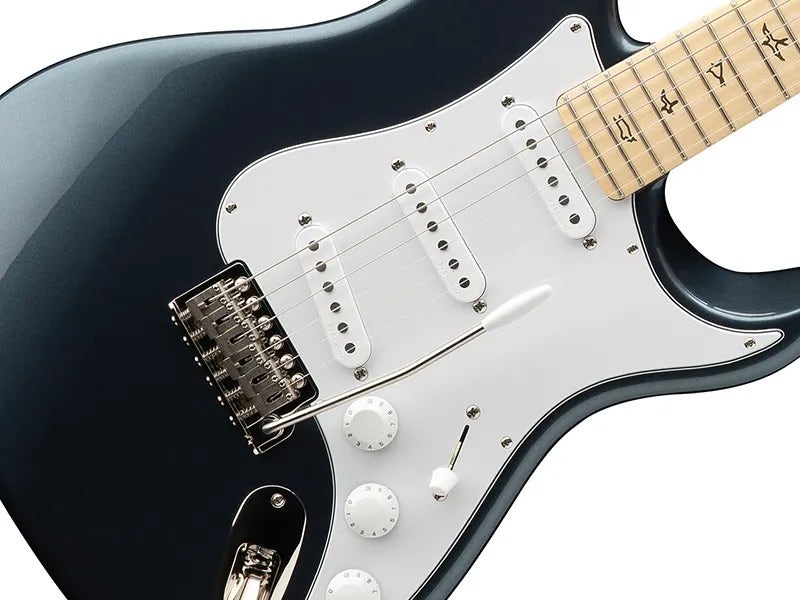
Solid Body Electric Guitars covers the full range of solid body shapes beyond the S-style. If you're comparing body styles before committing, this is the right place to see T-style, single-cutaway, and double-cutaway options side by side.
Fender Stratocaster the single-brand destination for this exact shape. If you've settled on Fender and want to browse the full Stratocaster lineup — from Squier to the American Ultra — this category cuts out every other brand.
Fender Telecaster is the natural comparison for buyers weighing the other classic Fender body style. The Telecaster uses a single-cutaway slab body, a bridge-heavy pickup setup, and a fixed bridge. The tonal character is brighter and twangier in the bridge position, and the guitar has a simpler, more rigid feel than the contoured S-style.
Yamaha is the world’s largest musical instrument manufacturer, so you know they make some amazing S-style guitars — namely their iconic Pacifica model. It takes all the classic S-style features you know and love and throw in a few modern features that any player would love.
An S-style guitar is a double-cutaway, contoured-body electric guitar built to the same general shape as the Fender Stratocaster, regardless of the manufacturer. The term exists because brands outside Fender can't use the Stratocaster name, but they can build guitars with the same body contours, three-pickup layout, bolt-on neck, and tremolo bridge. When you shop S-style, you're shopping by shape and feature set, not by brand.
SSS is three single coils, which gives the brightest, most articulate tone and the classic Strat quack in the in-between switch positions. HSS swaps the bridge single coil for a humbucker, adding output and hum rejection for driven tones while keeping the single-coil voice in the middle and neck positions. HH uses two humbuckers throughout, producing the warmest, highest-output sound of the three but moving furthest from the traditional S-style character.
No. While a synchronized tremolo is standard on most S-style guitars, hardtail versions fix the bridge directly to the body for better tuning stability and a slightly more direct string-to-body transfer. Players who travel frequently, play with heavy picks, or simply prefer a set-and-forget setup often find hardtails easier to maintain.
The terms overlap but aren't identical. A Superstrat is an S-style guitar modified or purpose-built for higher output and more aggressive playing, typically featuring a locking tremolo system (like a Floyd Rose), at least one humbucker, and often a thinner neck profile. All Superstrats are S-style guitars, but not all S-style guitars are Superstrats. A vintage-spec SSS Stratocaster with a synchronized tremolo sits firmly in S-style territory without qualifying as a Superstrat.
Squier makes several great S-style options for beginners. They’re very affordable and solid guitars that’ll last anyone from beginner well into their intermediate phase.