
Related Cutaway Acoustic Guitar Content

The Best Acoustic Guitar Strings for Every Player

Acoustic Guitar Maintenance Tips
7 Most Common Acoustic Guitar Body Styles
Featured Brands






Get FREE shipping on all orders!
Fast FREE shipping on all orders!


12 Payments of $50.00
h m s

12 Payments of $66.67
h m s

12 Payments of $58.33
h m s
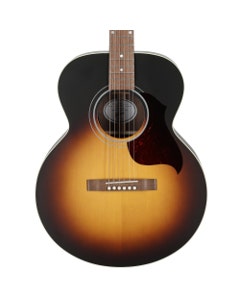
12 Payments of $170.75
h m s
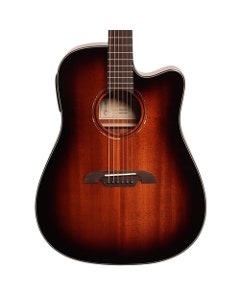
12 Payments of $52.50
h m s

12 Payments of $65.00
h m s
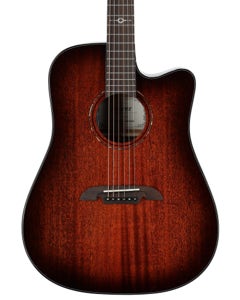
12 Payments of $91.58

12 Payments of $65.00
h m s
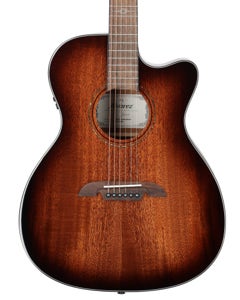
12 Payments of $51.67
h m s
12 Payments of $50.00
h m s
8 Payments of $50.00
h m s
12 Payments of $58.33
h m s
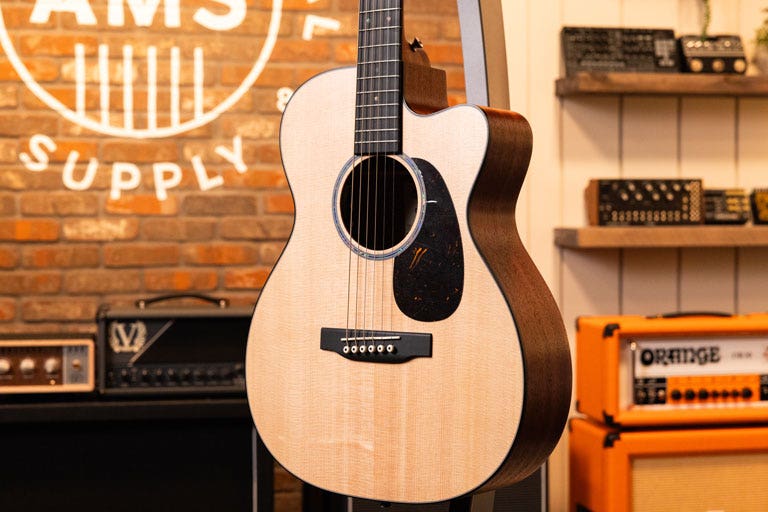
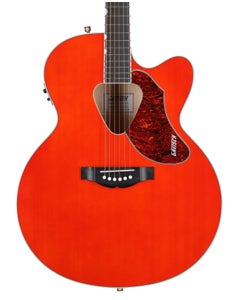
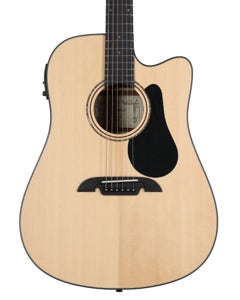
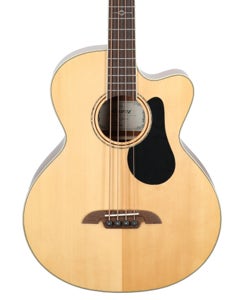
A cutaway acoustic guitar features a scoop carved into the upper bout near the neck joint, making it easier to reach the high frets. On modern guitars, the tonal difference compared to a non-cutaway is minimal. It’s more of a practical feature that can be added to many body shapes — not necessarily a body shape in its own right.
If you've ever tried to play a lead run above the 12th fret on a full-body acoustic and felt like you were wrestling the guitar, a cutaway acoustic guitar might be exactly what you need. The good news is getting there doesn't cost you as much tone as you might think.
If you need to play up high on the neck, a cutaway acoustic is worth it. Even if there's a minor trade-off in the tone department, most players barely even notice it. At the end of the day, the best guitar is really just the one that makes you actually want to pick it up and play.
A cutaway acoustic guitar features a scoop known as a bout cutaway which is carved from the upper body where it meets the neck joint. This gives the player easier access to the higher frets above the 12th.
It's worth noting that a cutaway is a feature, not a body shape. You can add a cutaway to dreadnoughts, grand auditoriums, parlors, and more — the body shape itself still drives the sound and tone.
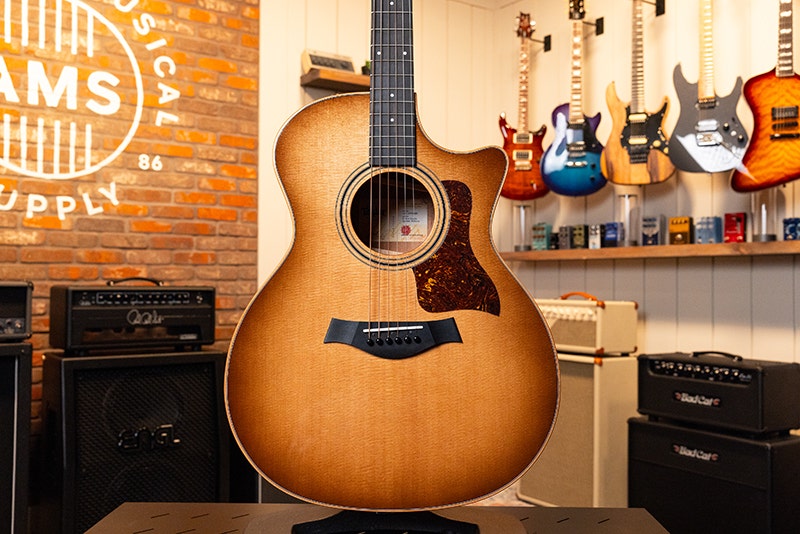
On a modern acoustic guitar, the tonal difference is minimal — minimal enough that most players won't even notice.
The argument against cutaways is simple: removing wood from the upper bout shrinks the resonating surface and the body’s volume, which can shave off a little low-end warmth or projection. It’s measurable in a lab, but usually completely irrelevant at a gig.
What you're trading is a small amount of resonance for something genuinely useful, which is comfortable access to frets 15 through 20 and beyond. If your playing involves leads, fingerstyle voicings, or chord melody work up the neck, that extra real estate matters.
A cutaway won't hurt your tone, but it won't save it either. Pick one because you want easier access up the neck, and for no other reason.
Before you buy, here's what to look for.
Cutaway horns come in two shapes. Venetian cutaways have a rounded, curved horn — smooth and comfortable against the forearm. Florentine cutaways have a sharp, pointed horn that leans more electric in appearance and offers marginally better access at the very top frets.
Choose a Venetian if you want a traditional acoustic look with a softer profile. Choose a Florentine if you prefer a sharper, more electric-influenced aesthetic. Both deliver the same level of upper-fret access, so ultimately it's about finding the shape that looks and feels right to you.
Most cutaway acoustics come pre-wired with a pickup and onboard preamp, and it makes sense why. Players who need upper-fret access are usually performing live. If you're considering a cutaway without electronics, make sure it actually suits the way you play.
The cutaway is just a notch in the body — the underlying shape still defines the tone. A cutaway dreadnought sounds like a dreadnought. A cutaway grand auditorium sounds like a grand auditorium. Browse our dreadnought, grand auditorium, and thin body acoustic pages if you want to match tone to playing style first, then filter for cutaway from there.
Everyone wants a solid top on their acoustic guitar, but it’s not always practical for the budget. However, the Taylor 314ce Studio brings premium tonewoods to a more accessible price point — all with a lovely Venetian cutaway for classic looks and upper fret access.
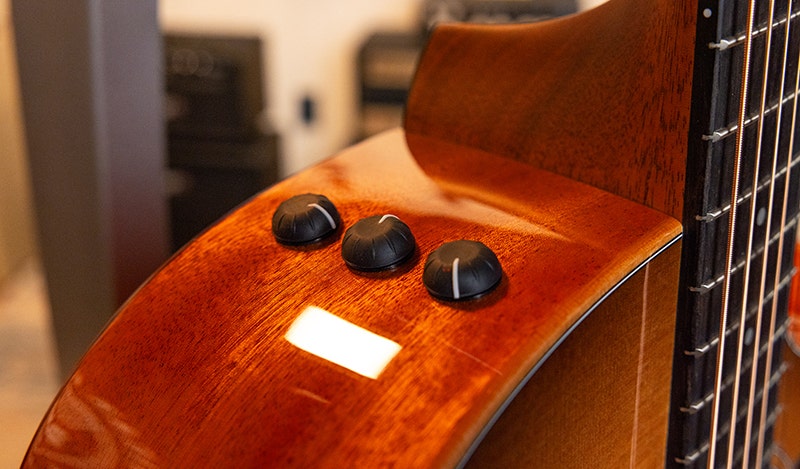
AMS carries cutaway acoustic guitars from trusted brands like Taylor, Martin, Yamaha, Alvarez, and more, with options across a range of budgets. Every order ships free, and if you'd prefer to spread the cost, AMS offers 0% interest payment plans through your existing credit card — no new accounts or fees required.
Want to dive deeper into the various body styles? Check out some of the most popular acoustic guitars we have to offer — many of which feature cutaway bodies:
A new guitar plays better when it's set up right and protected on the road. Pair your cutaway acoustic with a hardshell case or gig bag that fits the body shape, and keep a set of acoustic guitar strings on hand for when the tone starts to dull.
A cutaway acoustic guitar features a section of the upper body carved out near the neck joint, giving players easier access to higher frets. It's a design feature found across many body shapes — not a body type of its own.
The tonal impact is minimal on modern guitars. In theory, removing wood from the upper bout can reduce resonance slightly, which may trim a little low-end or volume. In practice, most players don't hear a difference. Choose a cutaway for upper-fret access — not for any tonal benefit.
A cutaway is worth it if you play leads, fingerstyle passages, or chord voicings above the 12th fret. If your playing stays in the open-chord and mid-neck range, a non-cutaway body gives you a marginally larger resonating surface for no practical gain. Choose based on how you actually play.
A Venetian cutaway has a rounded, curved horn. A Florentine cutaway has a sharp, pointed horn. Both open up access to the high frets. The Venetian is more common on acoustic guitars and tends to look more traditional. The Florentine is sharper-looking and edges closer to electric guitar styling.
Yes, most cutaway acoustic guitars come with a built-in pickup and preamp system. Players who need upper-fret access are often playing live or recording direct, so manufacturers pair the two features routinely. It's worth confirming electronics are included if that matters to your setup.
Not every model comes in a cutaway version, but the feature is available across dreadnoughts, grand auditoriums, parlors, and thin-body guitars. The body shape underneath still determines the core tone, so it's worth choosing your preferred shape first and then filtering for cutaway from there.