Get FREE shipping on all orders!
Fast FREE shipping on all orders!
DJ Players are the choice for pro DJs and permanent installments. Just add music, and you're ready to spin. They're the club-standard for a reason! And at AMS, you can find all the best DJ Players from top brands like Pioneer DJ, Denon DJ, AlphaTheta, Gemini, and American Audio to upgrade your setup in as little as two days with VERY fast shipping!

12 Payments of $249.92
h m s
12 Payments of $79.87
12 Payments of $69.08

8 Payments of $49.99
h m s

8 Payments of $37.49
h m s

6 Payments of $20.00
h m s
6 Payments of $38.33
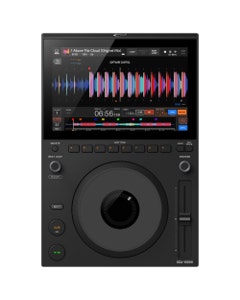
12 Payments of $141.58
h m s
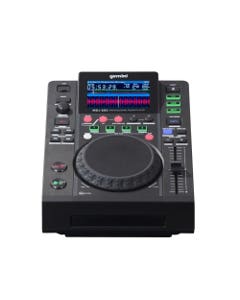
8 Payments of $37.49
h m s
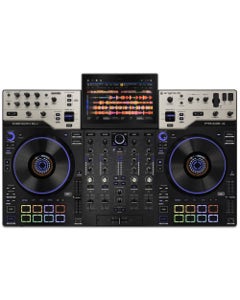
12 Payments of $216.58
DJ players are the backbone of any booth, whether you're spinning at a wedding reception or headlining at a night club. Here you'll find club-standard CDJ players, compact media players, standalone systems, and rackmount units built for everyday venues. Prices range from budget-friendly picks to flagship gear built for the biggest stages.
AMS carries AlphaTheta, Pioneer DJ, Denon DJ, Gemini, and American Audio DJ players, all with 0% financing and VERY fast and free shipping to get you spinning in no time.
Three questions narrow the field fast: What kind of DJ player fits your gigs, whether you want separate pieces or an all-in-one rig, and what your music library looks like. Sort those out, and the right deck practically picks itself. Here's how to work through each one.
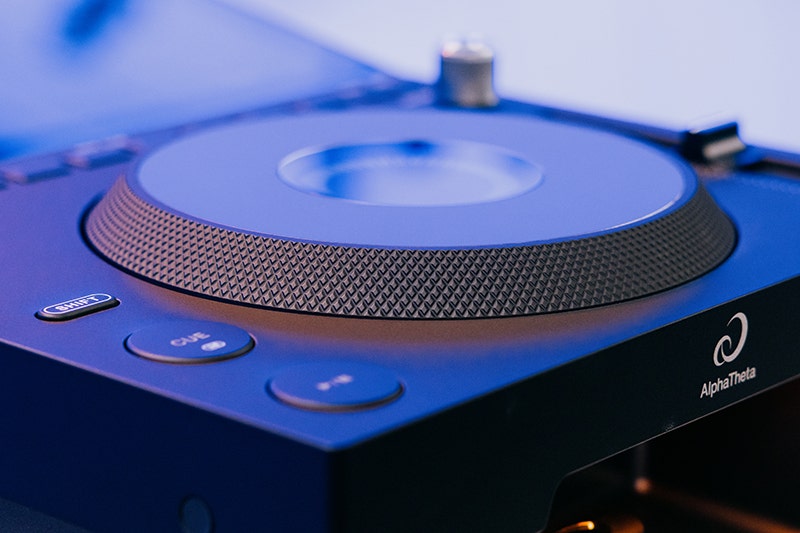
"CDJ" is one of those terms that outlived its original meaning, kind of like saying you're going to "rewind" a streaming show. CDJ technically refers to Pioneer DJ's line of media players, which were the ones that started life spinning CDs before graduating to USB drives and Rekordbox libraries. Today, CDJ refers specifically to Pioneer DJ and AlphaTheta decks, the kind you'll find at clubs, festivals, and various venue booths worldwide. They're built around a workflow so widely adopted that many DJs treat it as the default, which is exactly how the term took on a life of its own.
Here's where it gets a little confusing though, over time, "CDJ" became shorthand for any professional DJ deck, regardless of brand. Someone might say "CDJ" and mean a completely different brand's deck entirely. Technically incorrect, but language has a funny way of outgrowing its origins.
Media player is the broader category. Any DJ deck that pulls music from digital sources, USB drives, SD cards, hard drives, or a connected computer, qualifies. That includes Pioneer DJ and AlphaTheta CDJs, but also Denon DJ, Gemini, American Audio, and others. The easy way to remember it: all CDJs are media players, but not all media players are CDJs.
Club-style media players mirror the professional booth setups you'll find worldwide, so practicing on one means you'll walk into your gig like you already own the place. Compact media players deliver much of the same workflow in a smaller footprint, and a friendlier price tag, which is a win if your gear budget and your living space are both a little on the modest side.
Once you know your player type, decide how you want to build your rig. Single players are sold in pairs, or fours, alongside a separate DJ mixer. This is the popular route: swap or upgrade one piece at a time as your budget and skills grow.
Standalone systems take the opposite approach. A standalone DJ system packs the decks, mixer, and screen into one unit, so you plug in a USB drive and play without opening a laptop.
The choice really comes down to workflow: modular setups suit DJs who love tweaking their gear piece by piece, while standalone systems are ideal for mobile DJs who need to pack up and bolt.
DJ media players vary in which files and media they read, so check the specs prior to pulling the trigger on one. Most modern models handle common formats like MP3, WAV, AAC, AIFF, FLAC, and ALAC, along with physical media like USB drives, SD cards, and CDs where supported. Library management software, such as rekordbox or Engine DJ, helps you prep and organize tracks before you load them onto your player. Before you buy, make sure your library's formats are supported by the players on your shortlist.
A pair of players is only half the booth. You'll also want a DJ mixer to blend between them, a solid set of DJ headphones for cueing your next track, and a case to keep everything safe on the road. If you'd rather run your set from a laptop instead of standalone decks, DJ controllers are worth a look. Once your rig is ready, PA speakers make sure your mix reaches everyone in the venue.
The CDJ-3000 revolutionized the DJ world — but it’s pretty expensive for beginner and intermediate DJs. Luckily, the AlphaTheta CDJ-1500X brings all the flagship amenities of the CDJ-3000 and packs them into a more affordable package. If you want to step up to a pro-level DJ player without blowing your bank account, this is the one for you.
AMS stocks DJ players from AlphaTheta, Pioneer DJ, Denon DJ, Gemini, and American Audio, giving DJs plenty of options no matter their experience level, budget, or preferred workflow. Comparing different players can help you find the features that matter most to the way you perform. AMS also offers fast, free shipping, same-day shipping on in-stock orders placed before 5PM, and flexible payment options on qualifying purchases. Most products include an additional 12 months of warranty coverage beyond the manufacturer's original warranty.
And if you're weighing a few different models, it's always helpful to get input from those who have had hands-on experience with DJ gear and can help explain the differences between features, formats, and workflows. Give the AMS Gear Experts a call at 800-458-4076 to answer any questions.
Finding the right DJ player is a big decision. Here are some of the most frequently asked questions about DJ players to help you find the one that best fits your workflow.
Most modern DJ media players support common formats like MP3, WAV, AAC, AIFF, FLAC, and ALAC, along with physical media such as USB drives, SD cards, and CDs depending on the model. Always check a specific player's spec sheet before you buy to confirm compatibility with your library.
Motorized platters spin on their own, just like a turntable, giving you that familiar vinyl feel when you scratch or nudge the track. Non-motorized platters don't spin independently; they only respond to your touch. Motorized tends to be the go-to for scratch DJs, while non-motorized works great for DJs who focus more on mixing than turntablism.
A large, high-resolution screen makes it much easier to read waveforms, track info, and cue points at a glance, especially useful in dark club environments where squinting at a tiny screen is nobody's idea of a good time. The more you can see, the faster you can react.
Many do. Pioneer DJ players are built around rekordbox, while some models also support Serato DJ Pro in HID mode. Denon DJ players lean into Engine OS. It's worth checking compatibility with your preferred software before committing to a player.
Very. Club-standard players take a beating, traveling, stacking, late nights, the occasional spilled drink. A well-built player with sturdy jog wheels and solid connections will outlast a flimsy one by years. Think of it as an investment, not just a purchase.
Choosing the right DJ player comes down to compatibility, budget, and instinct, not unlike nailing the perfect drop. Find something that keeps up with your creativity and holds up under pressure. The right player helps you make moments worth remembering.