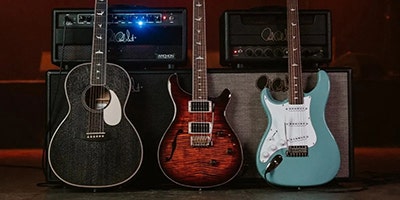

-

Chapman ML1 Pro Modern Electric Guitar
$749.95 - $1,039.00The Chapman ML1 Pro Modern features stunning, carved Swamp Ash bodies, baked Maple or Macassar Ebony fingerboards and powerful Sentient and Pegasus Seymour Duncan humbuckers, making for an incredibly powerful, easy-...12 Payments of $86.58
h m s
Skip to Content
Get FREE shipping on all orders!
Fast FREE shipping on all orders!
Solid Body Electric Guitars


The 6-String Solidbody Electric Guitar basically built modern music. Its versatile tones and feedback-resistant body make it perfect for everything from smooth jazz and crunchy blues all the way up to high-gain rock and metal. At AMS, we have a large collection of solidbody electric guitars from top brands like Gibson, Fender, Epiphone, Ibanez, PRS, Schecter, and more at price points to suit everyone from the most fresh-faced beginners to the most hardened pros. Grab your new guitar today!
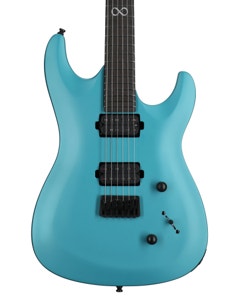
What Is a Solid Body Electric Guitar?
A solid body electric guitar has no hollow chambers in the body. Most of the sound comes from the pickups, amplifier, and electronics. That design gives solidbodies their defining traits: strong sustain, resistance to feedback at high stage volumes, and the tonal flexibility to move between clean country, blues, rock, and high-gain metal on the same instrument. Browse our full collection of electric guitars to see how solidbodies compare to semi-hollow and hollow body options.
The absence of hollow chambers is why the solidbody became the standard for live electric performance. A hollow body resonates with the room, which creates feedback as volume climbs. A solidbody doesn’t. That feedback resistance, combined with the tonal range that different body shapes and pickups can produce, explains why solidbody electric guitars are the most widely played type across nearly every genre.
The central buying question for most players isn’t which brand to pick but which body shape, tonewood, and pickup combination produces the tone they’re actually after. A mahogany-body Les Paul-style guitar and an alder-body Stratocaster-style guitar produce genuinely different tones before you touch the pickup selector or the amp. And we’ll help you find the right solidbody electric guitar to suit your sound.
The Standard for Electric Guitar
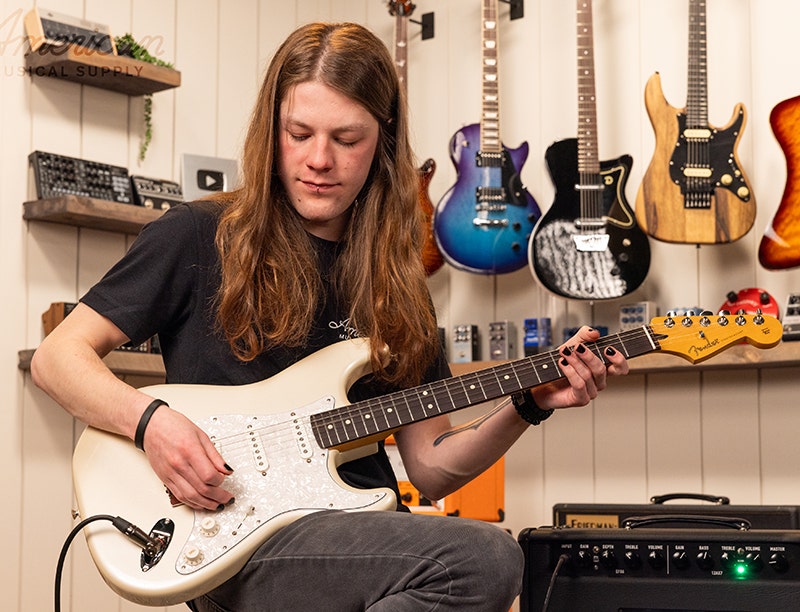
Solidbody electric guitars power more genres than any other design. Their feedback resistance at stage volume, tonal range across body shapes, and consistent response make them the default choice for players from blues to metal.
What to Look for When Buying a Solidbody Electric Guitar
Solidbody guitars come in a wide range of shapes, woods, and pickup configurations, and those choices have real consequences for your tone and playing feel. The four variables that matter most before you buy are body style, tonewood, scale length, and pickups.
Body Style
Electric guitar body styles developed alongside the genres that shaped them. LP-style, Strat-style, Tele-style, and SG-style guitars each have different tonal characters and weight distributions that come directly from their construction.
LP-style guitars use a thick, single-cutaway body typically made of mahogany with a carved maple top. That combination produces a warm, sustain-heavy tone with a bright attack from the maple cap. Humbuckers push the thick mahogany body into a fat, singing overdrive that has defined classic rock and blues for decades. Our collection of Les Paul electric guitars includes models from Epiphone's Inspired by Gibson line through Gibson USA instruments.
Strat-style guitars use a contoured, double-cutaway body typically made of alder or ash, fitted with three single-coil pickups. The result is brighter and more articulate than an LP-style guitar. Strat-style tone is the standard for blues lead work, funk, country, and clean pop. The contoured body is more comfortable to hold for long sets, and the double cutaway gives easier upper-fret access. Explore Stratocaster electric guitars for models from Squier and Fender.
Tele-style guitars share the alder or ash construction of Strat-style instruments but have a flat slab body and a distinctive, percussive bridge pickup character. The Telecaster-style bridge pickup is tight and punchy in the upper midrange in a way that players call twang. It sits in a mix differently than a Strat and has been the defining sound in country, roots rock, and indie since the 1950s.
SG-style guitars use a thin, double-cutaway all-mahogany body that’s notably lighter than a Les Paul. The thin body produces a slightly more aggressive midrange than the thicker LP-style, and the deep double cutaway provides easy upper-fret access. SG-style guitars are associated with hard rock and heavy metal, but their quick attack and cutting character work across a wider range of genres than their reputation suggests.
Tonewoods
The wood a solidbody is made from shapes its base tone before you plug in. Alder is the most common choice in Fender-world guitars and produces a bright, well-rounded tone with clear note separation and a naturally balanced midrange. Ash is slightly brighter and has more pronounced high-end detail — it’s especially associated with vintage Fender instruments and still used on select models today.
Mahogany produces a warmer, darker, more sustain-heavy sound than alder or ash. Adding a maple top, which is denser and has more attack, gives the Les Paul its characteristic formula: deep sustain from the mahogany body with snap and clarity from the maple cap. That combination is why Les Paul-style guitars cut through dense mixes at high gain. Basswood, used in many Ibanez and Schecter models, is the most tonally neutral of the common solidbody woods. Its even frequency response pairs well with high-output pickups in high-gain settings. Worth noting: tonewoods matter, but pickup type and amp selection have a larger impact on your final sound.
Scale Length
Scale length is the distance from the nut to the bridge saddle and determines string tension at standard tuning. Fender instruments typically use a 25.5-inch scale, which produces more tension and a slightly snappier, brighter tone. Gibson instruments mostly use a 24.75-inch scale, which feels a bit looser under the fingers and produces a warmer, slightly more compressed character. Bends take marginally less force on the shorter scale, which is one reason many players with smaller hands prefer Gibson-scale instruments. Neither is better; the right choice comes down to your playing style and hand preferences.
Players who want to tune significantly lower than standard pitch should look at a longer baritone-scale instrument. Baritone electric guitars use scales of 27 inches or longer to maintain proper string tension at lower tunings. Solidbodies are also available in 7-string and 8-string configurations for players who want extended low range without retuning.
Pickups
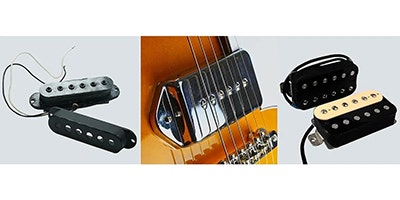
Single-coil pickups produce a bright, clear, articulate tone with lower output and let the natural character of the guitar and amp come through with maximum definition. They’re the standard on Strat-style and Tele-style guitars. Humbuckers use two coils to cancel 60-cycle hum while delivering higher output and a thicker, warmer sound. Humbuckers saturate gain stages more readily, which is why they’re the standard pickup for rock and anything with moderate to heavy gain. Active pickups add a battery-powered preamp that boosts or cuts the signal further, delivering the highest output and most consistent high-gain response at stage volume. Active pickups are the default in metal and hard rock.
From Entry-Level to Pro
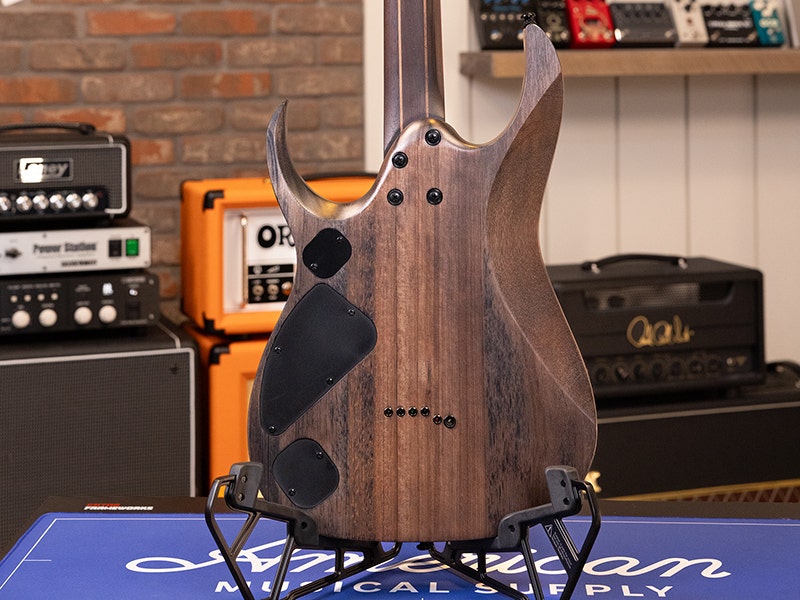
Whether you’re buying your first electric or adding to a working rig, the right solidbody comes down to body style, tonewood, and pickup type for your genre. AMS stocks the full range.
Solid Body Electric Guitars at American Musical Supply
American Musical Supply stocks solid body electric guitars from Fender, Gibson, Epiphone, PRS, Squier, Ibanez, Schecter, and more — covering the full range from accessible entry-level instruments through professional USA-made models. You can even find exclusive-run instruments you won’t find anywhere else! And all our solidbody guitars are available through AMS 0% interest financing, so you can get the guitar of your dreams without breaking the bank.
Related Guitar Types
If you want the resonant, acoustic-influenced warmth of a hollow chamber that can still get loud, explore our semi-hollow electric guitars. Semi-hollow guitars have a center block that helps control feedback, making them usable at stage volumes while still adding the warmth and air of a hollow body.
For a fully acoustic resonating chamber and the warmest electric tone available, browse our hollow body electric guitars. Hollow bodies are the standard in jazz and are used in blues and rockabilly. They’re not well-suited for high-gain settings at stage volume due to feedback.
Players looking for more low-end range without retuning can explore our 7-string electric guitars and 8-string electric guitars. Both add additional lower strings below the standard six-string range while keeping the remaining strings at standard pitch.
Frequently Asked Questions
These are the questions buyers ask most often about solid body electric guitars.
What is a solidbody electric guitar?
A solidbody electric guitar is built from solid wood with no internal hollow chambers. Sound comes from the pickups, which convert string vibrations into an electrical signal that an amplifier processes. That construction gives solidbodies strong sustain, resistance to feedback at high volumes, and tonal versatility across genres. They’re the most widely played electric guitar type.
Can you play a solid body guitar without an amp?
You can, but the volume is very low. Without hollow chambers to amplify the acoustic resonance, a solidbody guitar produces very little sound unplugged. Players who want to practice quietly typically use headphone amps or small practice amps rather than playing fully unplugged.
What is the difference between a solidbody and a hollowbody guitar?
A solidbody has no internal air cavity. A hollowbody guitar has a fully resonating hollow chamber, similar to an acoustic guitar, which adds natural warmth and volume but also makes the instrument prone to feedback at high stage volumes. Semi-hollow guitars split the difference with a partial hollow body and a center block to control feedback.
What tonewoods are used in solidbody electric guitars?
The most common solidbody tonewoods are alder, ash, mahogany, maple, and basswood. Alder and ash are standard in Fender-style instruments and produce bright, well-rounded tones. Mahogany produces a warmer, darker sound with more sustain, often paired with a maple top on Les Paul-style guitars. Basswood is tonally neutral and common in many Ibanez and Schecter models.
Does scale length affect tone?
Yes, but primarily through string tension. A 25.5-inch Fender scale produces higher string tension at standard pitch, which results in a slightly brighter, snappier tone and more resistance under your fingers. A 24.75-inch Gibson scale produces slightly lower tension, a warmer tone, and a softer feel. The difference is real but subtle compared to the tonal impact of pickup choice and amp settings.
What solidbody guitar is best for rock?
For most rock playing, an LP-style guitar with humbuckers or a Strat-style guitar with a humbucker in the bridge position covers the most ground. Les Paul-style guitars deliver the thick sustain and natural overdrive character that defines classic and hard rock. Strat-style guitars offer more note definition and a brighter, more cutting tone that works well for blues-influenced rock. Tele-style and SG-style guitars are also common in rock, depending on the tonal character you’re after.
Shop Solid Body Electric Guitars
American Musical Supply carries solid body electric guitars for every genre and price point. Free shipping. Easy returns. 0% interest financing with no credit check.