
-

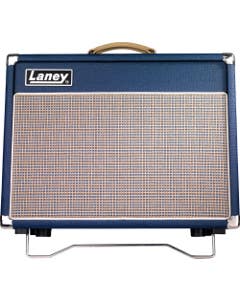
Laney Lionheart L5T112 Heritage Guitar Combo Amplifier
$989.95 - $1,499.00The Laney Lionheart L5T112 Tube Amplifier; Forty years of Laney tube heritage, distilled into a single amplifier range. Designed to deliver the warm and expressive tone of a tube being pushed hard, The Lionheart ...12 Payments of $124.92
h m s
-
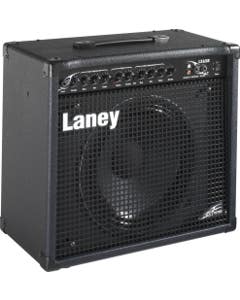
Laney LX65R Electric Guitar Amplifier Combo 1x12" 65 Watts
$446.95 - $557.95The Laney LX65R combo amp packs a mean punch when it comes to gig worthy combos. With 65 watts of power, a broad spectrum of tones and a custom designed 12” HH speaker, the LX65R’s Clean and Drive channels both have...8 Payments of $69.74
h m s
Skip to Content
Get FREE shipping on all orders!
Fast FREE shipping on all orders!
Guitar Combo Amps

From a highly portable practice amp to a stage-ready 2 x 12 design, nothing beats the all-in-one convenience of a combo amp. The amplifier, preamp, and speaker(s) are all integrated into a single enclosure. Many of the latest combo amps even offer onboard effects.
Guitar Combo Amps: Everything You Need, All in One Box
A guitar combo amp packs the preamp, power amp, and speaker into a single enclosure. Plug in, turn it on, and you're ready to play. That all-in-one convenience is why combo amps have been the go-to choice for guitarists at every level for decades, from bedroom players learning their first chords to touring professionals who need a reliable, portable rig they can grab and go. At AMS, we carry guitar combo amps from Fender, Marshall, Vox, Orange, Blackstar, Boss, Line 6, Peavey, PRS, and more, covering every amp type, wattage, and price point you could need.
Whether you're after the glassy clean headroom of a Fender, the crunch of a Marshall, or the versatility of a digital modeler, guitar combo amps give you the full picture of your tone in one package that's easier to transport and set up than a head-and-cabinet stack.
What's Inside a Guitar Combo Amp?
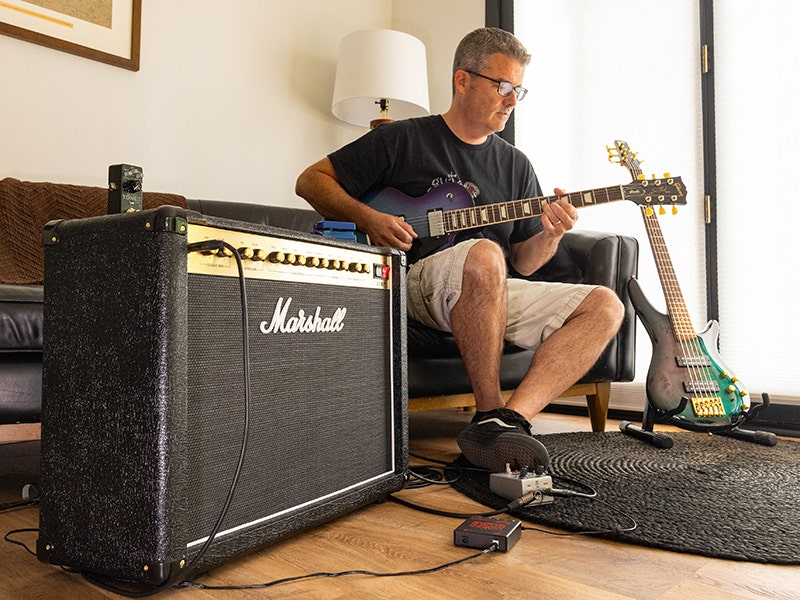
Understanding what's under the hood helps you make a smarter buying decision. Here's what every combo amp includes, and what separates the different types:
- Preamp section: Shapes your initial tone, controls gain, and determines the character of your sound before it hits the power stage.
- Power amp section: Takes the preamp signal and amplifies it to speaker-driving levels; this is where tube amps get their natural compression and breakup.
- Speaker(s): Built into the cabinet; speaker size and type (Celestion, Eminence, and custom-voiced designs are common) have a major impact on your overall tone.
- Controls: Volume, gain, EQ (bass, mid, treble), and channel switching at minimum; many models add reverb, effects loops, and master volume.
- Channels: Most gigging combos have at least a clean and a drive channel; higher-end models offer additional footswitchable voicings.
- Effects loop: Routes your effects (particularly time-based ones like delay and reverb) between the preamp and power amp stages, keeping your signal chain clean.
- Speaker out/extension cab jack: Many combo amps include an output to add an external cabinet when you need more volume or coverage.
Types of Guitar Combo Amps
The combo amp category breaks down into three distinct amp technologies, each with its own sound, feel, and use case. Here's how to tell them apart and what each is best suited for.
Tube Combo Amps
Tube amps use vacuum tubes in both the preamp and power sections to generate and amplify your signal, producing the warm, dynamic, touch-sensitive sound that has defined electric guitar tone for over 70 years. Push them harder and they break up naturally; that's the overdrive and compression that makes tube amps so satisfying to play. The Fender Blues Junior, the Marshall DSL40CR, and the Vox AC15 and AC30 series are among the best guitar combo amps for players who want authentic tube tone, whether they're playing clean jazz or cranked classic rock. For home use, lower-wattage tube combos (15–20 watts) let you get into power tube breakup at more manageable volume levels.
Solid-State Combo Amps
Solid-state amps use transistor-based circuitry instead of vacuum tubes. They're reliable, lightweight, consistent, and generally more affordable, which makes them a popular choice for practice, rehearsal, and players who need a dependable workhorse without the maintenance of tubes. Marshall's MG series and Peavey's solid-state combos are built tough and sound good at any volume, with no tubes to replace or bias.
Hybrid Combo Amps
Take the warmth of a tube preamp and the reliability and efficiency of a solid-state power amp, put them together and what do you get? A hybrid combo amp! Hybrid combo amps are sometimes considered the “best of both worlds,” giving you all the tube-like warmth and touch without all the cost and maintenance.
Modeling Combo Amps
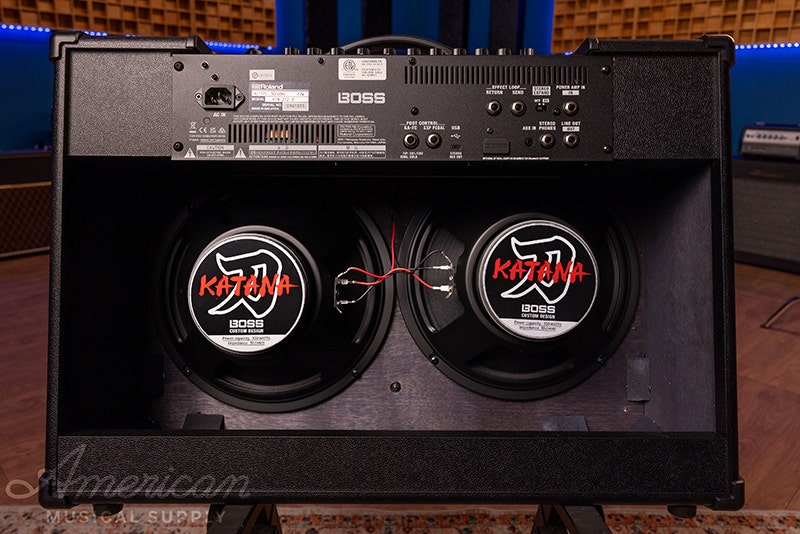
Modeling amps use digital signal processing to simulate the sound of classic tube amps, cabinets, and effects in a single unit. The Boss Katana, Line 6 Spider, and Fender Mustang are strong examples; they give you dozens of amp voices and built-in effects, making them incredibly versatile for players who cover multiple styles or want a practice amp that doubles as a recording interface. Many modeling combo amps also connect via USB for direct recording or integrate with software editors for deep tone-shaping.
Boutique and High-End Combo Amps
For players who want something beyond the mass-market offerings, AMS also carries boutique and high-end combo amps from Mesa/Boogie, Bad Cat, and others. These amps are built with premium components, hand-wired circuits, and painstaking attention to detail, and they sound like it.
PRS DGT 15 Combo Amp
This video introduces the PRS DGT 15 Combo Amp, which brings the acclaimed tone of the DGT 15 head into a portable, 15-watt combo format designed in collaboration with David Grissom.
How To Choose the Right Guitar Combo Amp
The best guitar combo amps aren't necessarily the most expensive ones; they're the ones that match how and where you play. Here's what to focus on:
- Wattage: A 15-watt tube combo or a 50–100 watt solid-state or modeling amp covers most gigging situations; smaller wattages are better suited for practice and recording.
- Amp type: Tube amps for warmth and feel; solid-state for reliability and value; modeling amps for versatility and features.
- Speaker configuration: 1x12 is the most common gigging format; 2x12 moves more air and fills larger rooms; 1x8 or 1x10 suits practice and home use.
- Channels: One channel is simple and pure; two or more channels give you footswitchable clean and drive tones without tap-dancing on pedals.
- Built-in effects: Onboard reverb is nearly universal; modeling amps add delay, chorus, and more; tube purists often prefer a dry amp they run through external pedals.
- Portability: If you're gigging regularly, weight matters; modern amp design has produced powerful combos that are significantly lighter than vintage equivalents.
Frequently Asked Questions About Guitar Combo Amps
How many watts do I need in a guitar combo amp?
Fewer than you might think for tube amps, and more than you might think for solid-state. A 15-watt tube combo can be surprisingly loud and covers most club gigs. A 50–100 watt solid-state or modeling combo gives you headroom and clean volume for larger venues. For home practice, 5–20 watts is plenty, especially in a modeling amp where you can dial back the master volume without losing tone.
Can I use a guitar combo amp for recording?
Absolutely. Tube combos can be miked at low volume or run into a load box. Many modern modeling and solid-state combos, such as the Boss Katana and the Line 6 Spider series, include USB outputs or built-in power reduction features that make them easy to record with directly. Some even include cab-simulated outputs designed for recording or running direct to a PA.
Do tube combo amps require more maintenance than solid-state?
Yes, tubes have a lifespan and will eventually need to be replaced, and some amps require biasing when new power tubes are installed. That said, a well-maintained tube amp can last decades, and many players find the maintenance worthwhile for the tone. Solid-state and modeling amps require essentially no regular maintenance.
AMS Has the Guitar Combo Amp You've Been Looking For
American Musical Supply carries guitar combo amps for every style, every stage, and every budget, from first practice amps to boutique stage rigs. Every amp ships VERY fast and free, comes backed by our Gold Lock Extended Warranty at no extra cost, and is available on 0% interest payment plans.
Have questions about which combo amp is right for your setup? Call our gear experts at 800-458-4076. We'll help you find your sound.