

-

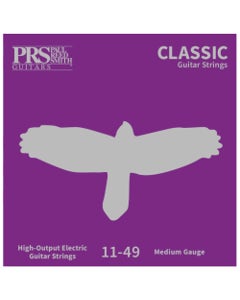
PRS Classic Series Electric Guitar Strings
$5.99 - $6.99PRS Classic Series Strings are flexible and long-lasting, so you can strum, bend, and pick with confidence. Used on PRS guitars for more than thirty years, PRS Classic Series Strings are a proven winner for players ...h m s
-
PRS Classic Acoustic Guitar Strings 80/20 Light .012-.053
$10.99These strings have been proven over decades of use on PRS guitars. They’re world class.” – Paul Reed Smith PRS Classic Series Strings are flexible and long-lasting, so you can strum, bend, and pick with co...h m s
-
PRS Signature Strings David Grissom .011 - .049
$10.99PRS Signature Strings, Medium .011 - .049 “Cutting-edge technology we’re proud to call our own.” – Paul Reed Smith PRS Signature Series Strings feature a proprietary alloy, giving PRS Signature strin... -
PRS Classic Strings Medium .011 - .049
$6.99PRS Classic Strings, Medium .011 - .049 “These strings have been proven over decades of use on PRS guitars. They’re world class.” – Paul Reed Smith PRS Classic Series Strings are flexible and lon... -
PRS Signature Strings Medium .011 - .049
$10.99PRS Signature Strings, David Grissom .011 - .049 “Cutting-edge technology we’re proud to call our own.” – Paul Reed Smith PRS Signature Series Strings feature a proprietary alloy, giving PRS Signatur... -
PRS Classic Strings Heavy .012 - .052
$6.99PRS Classic Strings, Heavy .012 - .052 “These strings have been proven over decades of use on PRS guitars. They’re world class.” – Paul Reed Smith PRS Classic Series Strings are flexible and long... -
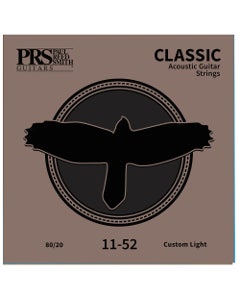
PRS Classic Acoustic Strings 80/20 Custom Light 11-52
$10.99Coated 80/20 round wound acoustic strings with hex-shaped high-carbon steel core — Our proprietary coating makes for a long-lasting, balanced, and vibrant tone. This Custom Light set brings depth and volume with sli...
Skip to Content
Get FREE shipping on all orders!
Fast FREE shipping on all orders!
Guitar Strings
From acoustic to electric, it all starts with the string. Materials include chrome, cobalt, nickel, phosphor, bronze, nylon, silk and steel. Diverse windings, different gauges, crazy colors, cryogenics, and protective coatings are all called upon in the ultimate pursuit of tone, longevity, and well...yeah...looking cool. From eight-string to baritone to classical to straight-ahead rock, AMS has the right set of guitar strings for every player.





Guitar String: Where Your Tone Really Comes From
When it comes to tone, your strings are make-or-break (sometimes literally). Guitar strings are the first thing your hands touch and the first thing your sound passes through, which means they have a huge say in feel, response, and overall vibe. Change the strings, and the guitar can feel like a different instrument.
American Musical Supply carries guitar strings for every style of player and every type of guitar, from electric and acoustic to bass. You’ll find different gauges for lighter touch or firmer resistance, along with materials and coatings that influence brightness, warmth, and longevity. Whether you’re chasing snap, sustain, or something in between, you'll find top options from Ernie Ball, D’Addario, Elixir, and numerous others right here.
Choosing the Right String Gauge
String gauge has a big impact on how your guitar feels and responds. Gauges are measured in thousandths of an inch, so a set labeled .009 starts with a high E string that’s nine thousandths thick. Small changes on paper can feel very different under your fingers.
Here’s a general way to think about it:
- Light gauges feel easy to bend and play, making them popular for fast leads and lighter touch styles
- Medium gauges balance flexibility and control, offering solid tone without feeling stiff
- Heavier gauges provide more resistance, fuller tone, and better tuning stability, especially for aggressive playing or lower tunings
Electric guitars have the lowest-gauge strings, followed by acoustic guitars, and finished up with bass. What’s considered “light gauge” for acoustic would be considered medium (at least) for electric.
Your scale length, tuning, and playing style all matter. If bends feel like work, go lighter. If strings feel too loose or thin, stepping up a gauge can tighten things up fast.
How String Types Differ by Guitar
Different guitars ask different things from their strings. Materials, tension, and gauge all change based on how the instrument is built and how it’s meant to be played. Most types of strings can also come coated or uncoated, depending on your preference.
Electric Guitar Strings
Electric strings are usually made from steel cores wrapped in nickel-plated steel, pure nickel, or stainless steel, which allows magnetic pickups to sense their vibration. These tend to be lighter and easier to bend, and they work well with the low-tension feel many electric players prefer.
6- and 12-String Acoustic Guitar Strings
6-string and 12-string acoustic strings are typically steel, wound with phosphor bronze or 80/20 bronze, for rich resonance and volume on a hollow body. Six-string acoustics use steel strings for brightness and projection, and 12-string sets pair each course to create a lush, shimmering chorus effect that’s thicker and fuller overall.
Classical Guitar Strings
Classical guitar strings use nylon strings (with the lower three wound with silver-plated copper or bronze), producing a warmer, softer tone with less neck tension. These are ideal for fingerstyle and classical techniques, and feel much gentler under the fingers than steel strings.
How Often You Should Change Guitar Strings
How often you change guitar strings depends on how much you play, how hard you play, and what kind of tone you expect from your instrument. Here are a few signs it’s time for a change:
- A dull or lifeless tone that doesn’t brighten up even after tuning
- Tuning instability where the strings won’t settle in
- Rough or sticky feel under your fingers
- Visible corrosion or discoloration along the windings
For casual players, every few months might be fine. Regular gigging or recording often calls for much more frequent changes to keep things sounding right.

Frequently Asked Questions About Guitar Strings
Are coated guitar strings slippery?
Some feel smoother than uncoated strings. Preference comes down to touch and playing style.
Is it bad to mix guitar string brands?
It’s not ideal. Sets are designed to balance tension and feel across all strings.
Can the choice of guitar string affect intonation?
It can. Different gauges and materials may require minor setup adjustments.
Refresh Your Sound With Guitar Strings From AMS
A new set of guitar strings can change how your instrument feels and sounds in an instant. Whether you’re chasing brightness, smoother playability, or strings that last longer between changes, the right set makes it obvious the moment you tune up. American Musical Supply makes it easy to upgrade with a wide selection of guitar strings to stock up on. Browse our full lineup and find the strings that fit your guitar and your playing style.