
A fresh set of strings breathes entirely new life into your acoustic guitar. If you play frequently, you already know that strings eventually lose their spark. They go stale, lose their tuning stability, and start to feel pretty dull under your fingertips. Changing them out regularly has a direct, undeniable impact on both your tone and your overall performance.
It should be said that finding the right strings is a highly personal journey. Every player has unique preferences when it comes to the feel, the tension, and the sound being projected. You have to consider string gauge, core materials, and wrap wire, all of which come together to shape your instrument's voice.
In this guide, we lay all the options out on the table. We’ll walk you through the anatomy of acoustic strings, explain the differences in gauges, and highlight some of the top choices available today. By the end, you’ll have a clear map to finding the perfect set that suits your playing style.
What Are Acoustic Guitar Strings Made Of?
Acoustic strings usually consist of a steel core wire wrapped in various metal alloys. The core is typically made from high-carbon steel and comes in either a round-core or hex-core shape. The outer wrap wire is what essentially dictates the tonal character, the physical feel, and the durability of the string.
You should absolutely consider how often you pick up your guitar, the genres you gravitate toward, and the specific volume you want to achieve. These factors play a major role in deciding which materials will suit you best.
Here are the main categories you will encounter:
80/20 Bronze
Composed of 80% copper and 20% zinc, these strings are fantastic for cutting through a dense musical mix. They provide a bright, crisp, and shimmering tone. While they don’t produce highly complex overtones, they’re incredibly versatile and work beautifully for a wide variety of musical styles.
Phosphor Bronze
Sometimes labeled as 92/8 phosphor bronze, this material produces a noticeably warmer tone than 80/20 bronze. If you perform frequently and need a highly consistent, balanced sound across all your frequencies, phosphor bronze is an excellent choice.
Silk and Steel
These strings feature a steel center wrapped in silk or nylon fibers, which is then wound with the outer metal alloy. Silk and steel strings deliver a full, mellow, and balanced sound. They also offer a much smoother texture, making them a perfect option for players who want an easier time fretting chords.
Nylon
Nylon strings provide a smooth, soft texture that yields a mellow, percussive plucking sound. They are strictly designed for classical or Spanish guitars and are the standard choice for classical, flamenco, and traditional folk music.
Understanding String Gauge
A common question among guitarists is which string gauge is the best, and the answer is highly subjective: It depends entirely on your comfort level and playing style. String gauge refers to the physical diameter of the string, measured in fractions of an inch.
Here are the most common acoustic string gauges available:
- Extra light (.010-.047)
- Custom light (.011-.052)
- Light (.012-.054)
- Light/Medium (.0125-.055)
- Medium (.013-.056)
- Heavy (.014-.059)
If you prefer an easier time pressing down on the fretboard, you’ll want to lean toward the lighter gauges. Heavier strings require more finger strength to fret, but they reward the player with a richer, thicker tone and significantly more volume projection. Finding the balance between the playability and tone you want is the key to determining which acoustic string gauge is right for you.
Top Acoustic Guitar Strings by Brand
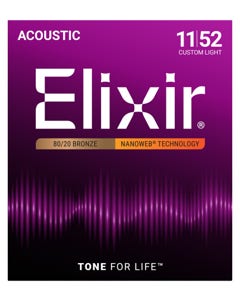
Elixir 11052 NanoWeb 80/20 Acoustic Guitar Strings
Elixir Nanoweb strings hold a legendary status in the guitar community. Once you put a set of Elixirs on your acoustic, you might never look back — or have to change them. These strings feature a micro-thin coating that protects them from dirt and sweat, meaning they last several times longer than uncoated strings before sounding dull. Uncoated string purists might find them slightly unusual at first, but the smooth feel quickly becomes second nature.
Main takeaways:
- Great sound with a bright, punchy attack
- Highly sustainable and long-lasting
- Higher price point
(AMS Pro Tip: Always wipe down your guitar strings with a dry cloth after playing. This simple habit removes the natural oils from your hands and helps preserve the life of any string.)
D'Addario EJ Series Phosphor Bronze Acoustic Guitar Strings
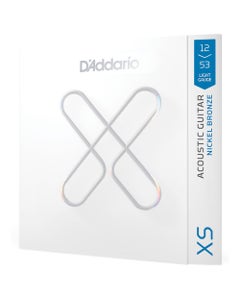
D'Addario offers some of the most popular acoustic strings on the planet. The EJ16 and EJ15 sets deliver an exceptional balance of volume and projection. They serve as highly reliable options for absolute beginners and seasoned touring pros alike.
Main Takeaways:
- Excellent overall value
- Available in a wide variety of gauges
- Shorter lifespan due to being uncoated
The EJ16s are perfect if you want to experiment with different gauges without spending a fortune. Because they’re uncoated, they do lose their brilliance a bit faster than coated alternatives. That’s a minor trade-off if you enjoy the ritual of changing your strings frequently.

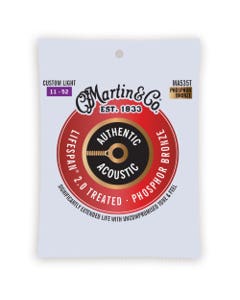
Martin Authentic Acoustic Lifespan 2.0 92/8 Phosphor Bronze Strings
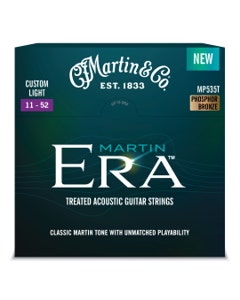
Players seeking an authentic acoustic tone with serious longevity should look closely at the Martin Lifespan 2.0 series. Martin recently upgraded their manufacturing to prevent corrosion without dampening the natural tone of the metal.
Main Takeaways:
- Impressive lifespan
- Excellent sound projection
- Brilliant, highly authentic acoustic tone
These strings resist corrosion beautifully while providing a smooth, drag-free feel under the fingers.
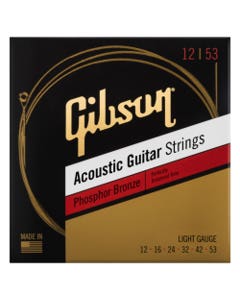
Gibson Phosphor Bronze Acoustic Guitar Strings
Gibson designed their acoustic strings to coax the absolute best tone out of your instrument. Featuring a steel core wrapped in premium phosphor bronze, they produce striking clarity alongside a warm, mellow bottom end. Gibson offers these in several gauges to accommodate different playing styles.
Main Takeaways:
- Ultra-soft feel for maximum playing comfort
- Superb clarity with a mellow low-end response
- Retains tone effectively during aggressive strumming
You already respect Gibson for their iconic guitars. Their strings showcase that same commitment to musical quality.

Ernie Ball P03004 Earthwood Light 80/20 Bronze 3 Pack
Special Price $17.99
Ernie Ball Earthwood Acoustic 80/20 Bronze Guitar Strings
Ernie Ball dominates the electric guitar string market, and their acoustic offerings are equally impressive. The Earthwood acoustic strings consist of 80% copper and 20% zinc wire, precision-wrapped around a hex-shaped, tin-plated high-carbon steel core.
Main takeaways:
- Crisp, distinctly bright sound
- Highly pleasing overtones
- Great natural feel
Artists like Elvis Costello, Joe Bonamassa, and the Eagles rely on Ernie Ball strings. That should give you some ease of trust.
Stringjoy Brights 80/20 Bronze Acoustic Guitar Strings
Stringjoy manufactures their strings right in Nashville, Tennessee. It makes perfect sense that a company operating out of Music City produces such high-quality gear. Their dedicated craftsmanship results in acoustic strings with a wonderfully full tonal range and rugged durability.
Main Takeaways:
- Punchy, highly articulate tone
- Crisp, clear top-end
- Tightly balanced low-end
Stringjoy has a standard and is known for their meticulous quality control. If you prefer supporting boutique string makers who obsess over every single set they cut, this is your brand.

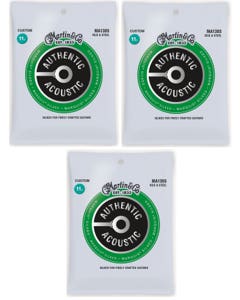
Martin MA130S Authentic Acoustic Silked Set 3 Pack
Special Price $25.47
Martin MA130S Authentic Acoustic Marquis Silked Silk and Steel Strings
The Martin Authentic Marquis silk and steel strings deliver an incredible response and tuning stability. Martin rigorously tests their string quality to ensure absolute consistency. These are a fantastic choice for newer players who want to practice fretting without tearing up their fingertips. Trust me, I remember those days very well.
Main Takeaways:
- Highly responsive to a lighter touch
- Warm, beautiful tone
- Premium silk and steel construction
Martin has long been known for their legendary guitars, so it makes sense their strings follow in the same legendary footsteps.
D'Addario EJ45 Pro Arte Classical Guitar Strings
If you play a classical guitar, nylon strings are your only option. You simply can’t go wrong with a set of D'Addario EJ45 Pro Arte Classical Strings.
Main takeaways:
- Rich, beautifully balanced tone
- Great natural projection
- Highly comfortable tension
The EJ45s offer normal tension, giving you a dynamic projection that feels consistently comfortable during longer playing sessions.

D'Addario EJ46 Pro Arte Classical Guitar Strings Hard P028.5-44
Special Price $12.99
Stringing It All Together: Finding Your Perfect Match
Choosing the right guitar strings often feels like a guessing game at the beginning. You might hear recommendations from friends or see your favorite artists endorsing specific brands. Ultimately, the best approach is to simply try out a few different sets. Test out an 80/20 bronze set, then swap them for phosphor bronze a month later.
Pay attention to how they feel under your fingers and how they interact with your specific guitar body. Over time, you will effortlessly narrow down your choices based on comfort, longevity, and tone. Grab a fresh set today, string up your acoustic, and enjoy the inspiration that follows.