My Cart
0
You have no items in your shopping cart.
Get FREE shipping on all orders!
Fast FREE shipping on all orders!
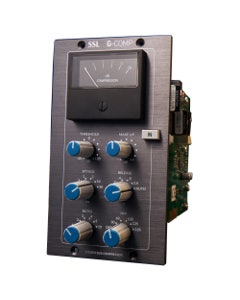
The 500 series format gives you the power to build a professional-grade analog signal chain one module at a time, starting with the preamp. Whether you're just getting into modular recording gear or adding to an existing rack, AMS has the 500 series preamps, compressors, EQs, and chassis to put it all together.
12 Payments of $83.25
h m s
Get It August 22nd
12 Payments of $133.33
h m s
Get It August 22nd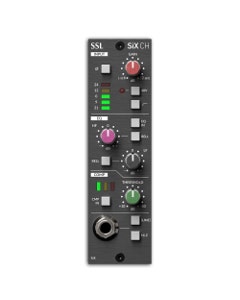
8 Payments of $62.50
h m s
Get It August 22ndA 500 series preamp gives you something that a standard rack unit can't: the ability to build a custom signal chain one slot at a time, mixing and matching modules from different manufacturers to get exactly the sound you're after.
The 500 Series format, originally developed around the API VPR Alliance standard, uses compact single- or double-wide modules that slot into a powered chassis, giving you professional-grade mic preamplification, compression, and EQ in a surprisingly small footprint. At AMS, we carry 500 series preamps and modules from Heritage Audio, Black Lion Audio, Golden Age Project, Lindell Audio, Rupert Neve Designs, Harrison Audio, and more — everything you need to build your ideal studio signal chain from the ground up.
Whether you're tracking vocals with a ribbon mic, recording guitars, or adding analog warmth to a digital session, a 500 series preamp brings classic circuit design and transformer-balanced tone to any source without the cost or footprint of a full console.
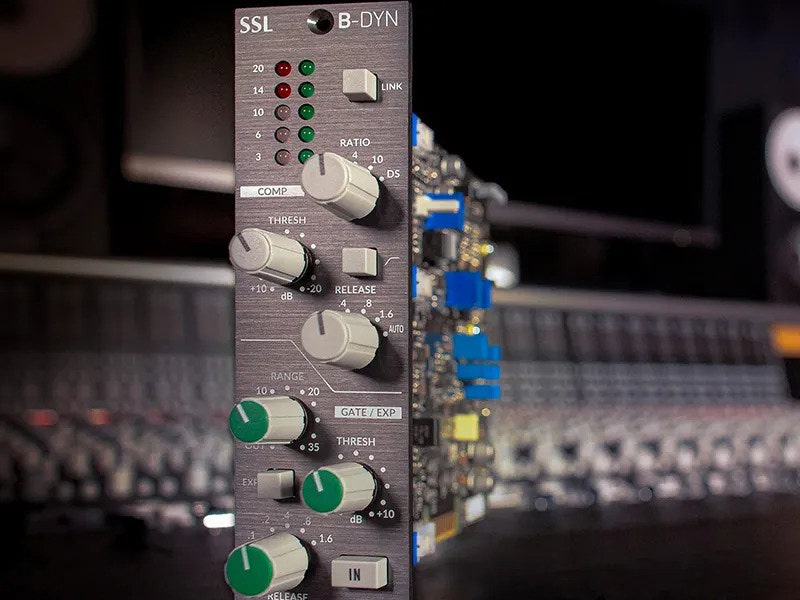
Before you start building your rack, it helps to understand how the ecosystem works. Here's what a complete 500 series setup requires:
The 500 series format has attracted some of the most respected names in analog audio, and the preamp options reflect that. Here's a breakdown of the main flavors you'll find at AMS.
If you want the warm, punchy character that's defined hit records for decades, transformer-coupled designs are the place to start. The Heritage Audio 73Jr II delivers full Class-A, three-stage gain in a single slot, inspired by the classic 1073 circuit and built with Carnhill transformers. The Golden Age Pre-573 Premier follows the same lineage, offering discrete 1073-style tone with a sweepable high-pass filter and an insert jack for pairing with an outboard EQ module.
For sources that need transparency and extended dynamic range over vintage color, high-headroom active designs are the better fit. The Black Lion Audio Auteur MkII 500 features an ultra-fast input stage with a Hi-Z instrument input, while the Heritage Audio LANG 312L delivers up to 90dB of gain, enough headroom to drive ribbon mics and vintage condensers without an external booster.
Some 500 series modules combine a mic preamp with a passive EQ section in a single or double-wide unit. The Lindell Audio 6X-500 pairs a transformer-coupled mic pre with a 2-band passive Pultec-style EQ, giving you both gain and tonal shaping in one slot. The Heritage Audio 1073/500 takes it further, fitting a full 1073-style preamp and 3-band EQ into a 3-slot-wide module.
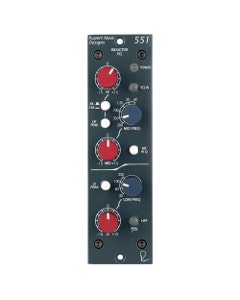
A preamp is just the beginning. Once your signal is amplified, you can run it through 500 series signal processors in the same chassis to build a complete analog channel strip. AMS carries compressor modules from Rupert Neve Designs, Lindell Audio, and others, including vintage-style designs modeled after the classic 2254 and 1176 circuits, so you can shape dynamics without ever leaving the rack.
This video provides an overview of the Heritage Audio 73JR, a 500 Series microphone preamp designed to deliver the classic sound of a 1073 in a compact format.
Building a 500 series rig is one of the most flexible ways to invest in analog gear. Keep these factors in mind as you put yours together:
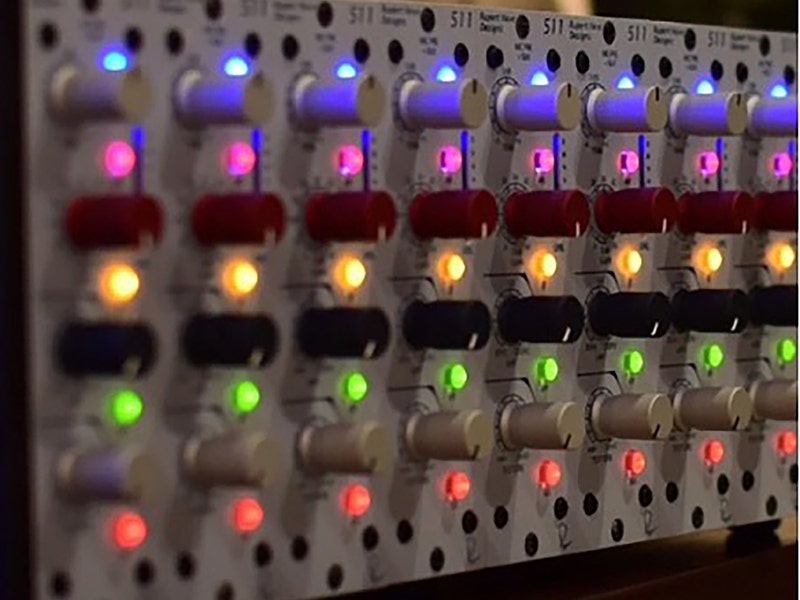
Yes. 500 series modules require a powered chassis (also called a lunchbox) to operate. The chassis supplies power to each slot and provides the XLR I/O connections. AMS carries chassis from Lindell Audio and Heritage Audio in a range of sizes, from 3-slot desktop units to 10-slot rackmount enclosures.
In most cases, yes, as long as all modules conform to the VPR Alliance standard. The 500 series format was designed specifically to allow this kind of mix-and-match flexibility. That said, always check the power requirements of each module against your chassis's capacity before loading it up.
A standalone preamp typically offers more real estate for controls and may include additional features. The 500 series format trades that extra space for modularity and cost efficiency. You can build a multi-channel setup one module at a time rather than buying multiple full-size units. For many engineers and home studio owners, that flexibility is worth it.
AMS carries 500 series preamps, compressors, EQs, chassis, and everything else you need to build your ideal analog rig. Every module ships VERY fast and free, comes backed by our Gold Lock Extended Warranty at no extra cost, and is available on 0% interest payment plans so you can build your dream signal chain without paying for it all at once.
Have questions about which modules are right for your setup? Call our gear experts at 800-458-4076. We'll help you put it together.

When you visit our website, we store cookies on your browser to collect information. The information collected might relate to you, your preferences or your device, and is mostly used to make the site work as you expect it to and to provide a more personalized web experience. However, you can choose not to allow certain types of cookies, which may impact your experience of the site and the services we are able to offer. Click on the different category headings to find out more and change our default settings according to your preference. You cannot opt-out of our First Party Strictly Necessary Cookies as they are deployed in order to ensure the proper functioning of our website (such as prompting the cookie banner and remembering your settings, to log into your account, to redirect you when you log out, etc.). For more information about the First and Third Party Cookies used please follow this link.
More information
These cookies are necessary for our website to function and cannot be switched off in our systems. They are usually only set in response to your requests for services, such as setting your privacy preferences, logging into your account, or filling in forms. You can manually set your browser to block or alert you about these cookies, but it will prevent parts of our site from working as expected. These cookies do not store any personally identifiable information.
These cookies allow us to count visits and traffic sources so we can measure and improve the performance of our site. They help us identify which pages are the most and least popular and see how visitors move around our site. All the information these cookies collect is aggregated and therefore anonymous. If you do not allow these cookies, we will not know when you have visited our site and will not be able to monitor its performance.
These cookies enable the website to provide enhanced functionality and personalization. They may be set by us or by third-party providers whose services we have added to our pages. If you do not allow these cookies, then some or all of these services may not function properly.
Under the California Consumer Privacy Act, you have the right to opt-out of the sale of your personal information to third parties. These cookies collect information for analytics and to personalize your experience with targeted ads. You may exercise your right to opt out of the sale of personal information by using this toggle switch. If you opt out we will not be able to offer you personalised ads and will not hand over your personal information to any third parties. Additionally, you may contact our legal department for further clarification about your rights as a California consumer by using this Exercise My Rights link.
If you have enabled privacy controls on your browser (such as a plugin), we have to take that as a valid request to opt-out. Therefore we would not be able to track your activity through the web. This may affect our ability to personalize ads according to your preferences.
Select All