
Related Travel Acoustic Guitar Content

7 Most Common Acoustic Guitar Body Styles

The Best Acoustic Guitars Under $500

The Best Acoustic Guitar Strings for Every Player
Featured Brands


Get FREE shipping on all orders!
Fast FREE shipping on all orders!


8 Payments of $68.63
h m s

8 Payments of $56.25
h m s

12 Payments of $66.58
h m s

12 Payments of $70.83
h m s

12 Payments of $66.67
h m s
12 Payments of $66.58
h m s
8 Payments of $62.38
h m s
12 Payments of $120.83

12 Payments of $99.92
h m s
12 Payments of $74.92
h m s

8 Payments of $56.13
h m s

6 Payments of $41.50
12 Payments of $49.92
h m s

8 Payments of $68.75
h m s
6 Payments of $46.67
h m s
6 Payments of $35.00

6 Payments of $23.33
h m s
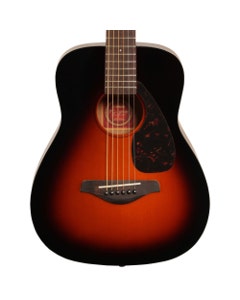
6 Payments of $35.00
h m s

8 Payments of $56.25
h m s
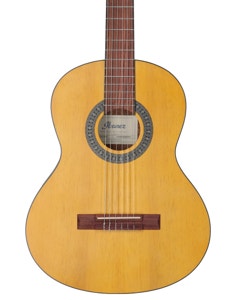
6 Payments of $23.33

6 Payments of $41.50
h m s
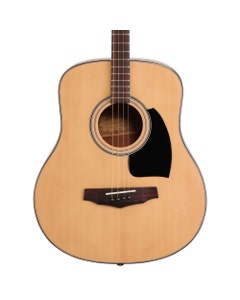
6 Payments of $38.33
h m s
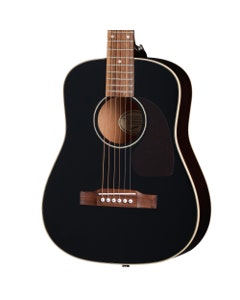
8 Payments of $37.38
h m s
6 Payments of $33.33
h m s
A travel guitar is a smaller-body, portability-focused instrument built to survive flights, road trips, and cramped living spaces. Modern mini-body models from Martin and Taylor keep most of a full guitar's playability, though a smaller body naturally means slightly less low-end resonance. The tradeoff is real, but it's smaller than most players fear.
The core difference is body size. Travel guitars shrink standard acoustic dimensions for easier carrying and storage. But does that come at the cost of tone and playability? A little, yes. A smaller soundbox moves less air, which means you'll sacrifice some of the deep bass and volume of a full-size dreadnought or grand auditorium.
Here's the good news, and it's genuinely good: A well-built mini-body guitar plays surprisingly close to a full-size instrument. The neck often uses a standard or near-standard width, so your fretting hand feels right at home. The reduced scale length can actually make these guitars easier to play, since the frets sit closer together and the string tension feels a touch softer. Mini-body guitars from Martin and Taylor punch well above their weight, delivering a bright, focused sound that records beautifully and more than holds its own around a campfire.
At AMS, the travel guitar lineup centers on reduced-scale mini-body acoustic guitars, not folding contraptions. That distinction matters for your expectations, so let's break down the categories, the materials, and whether the thing will actually fit in an overhead bin.
The single biggest driver of both price and tone on a travel guitar is the top wood, specifically whether it's solid or laminate. A laminate top uses thin layers of wood pressed together. It's durable, resists humidity swings, and keeps the price friendly, which is exactly why laminate travel guitars tend to sit at the more budget-friendly end of the spectrum. For a knockaround guitar headed to a beach or a dorm, laminate is a smart, worry-free choice.
A solid top is a single piece of tonewood that vibrates more freely and, generally, sounds richer and opens up over years of playing. That quality shows up in the price. Between those two poles you'll find plenty of middle ground. The right pick depends on your priorities: choose laminate if durability and budget matter most, and choose solid if tone is the thing you refuse to compromise on.
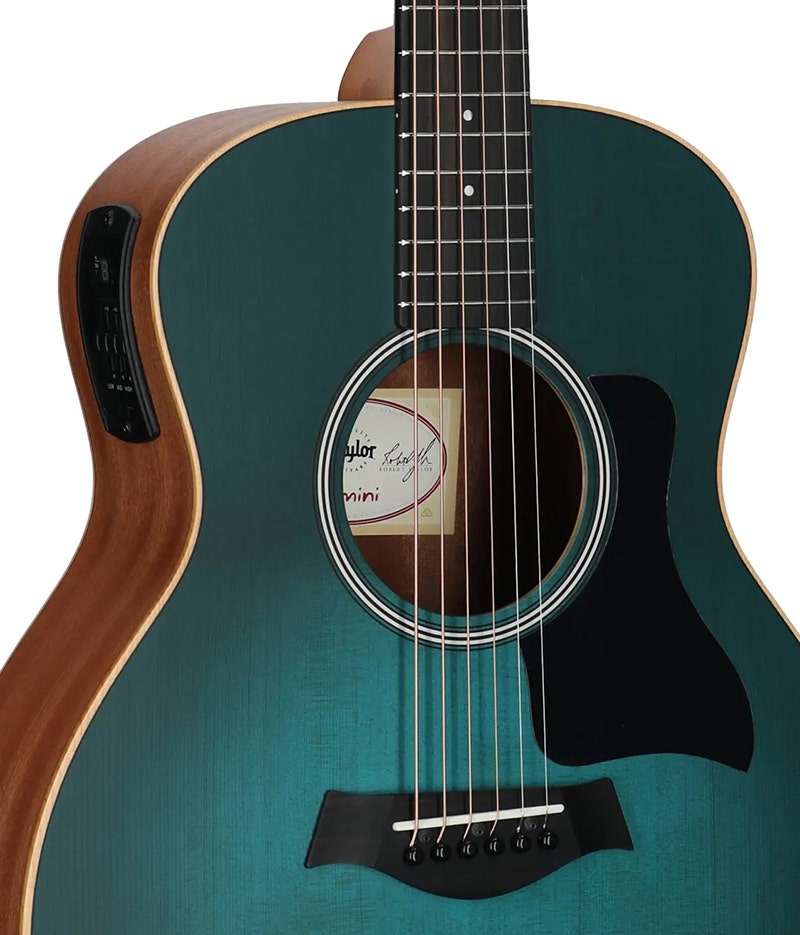
For a lot of people, the make-or-break spec isn't tone at all. It's whether the guitar fits in an overhead bin. Standard acoustic folks rarely think about body depth, but for a traveler it's a daily concern. Mini-body guitars, like Taylor's travel models, are shorter and shallower than a full dreadnought, which gives them a solid shot at meeting airline carry-on requirements when packed in a slim gig bag.
A word of caution: airline size limits vary, and no guitar is guaranteed overhead bin space. Before you fly, measure your guitar in its case and check your airline's carry-on size limits. And just in case? Grab a gate-check tag as a backup plan. A smaller body improves your odds enormously, but it doesn't hand you a golden ticket past the flight attendant!
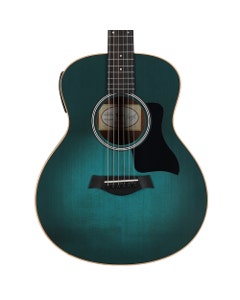
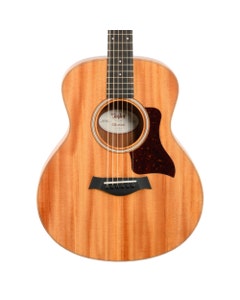
Martin and Taylor are the two biggest names in the acoustic guitar world, so it would make sense that they pop up as the first choice for travel guitars. Both manufacturers make reduced-size acoustics that are simply smaller versions of a normal acoustic. They have a fixed body, a full headstock, and a shape any guitarist recognizes instantly. They travel well because they're small, not because they transform or have “weird” dimensions.
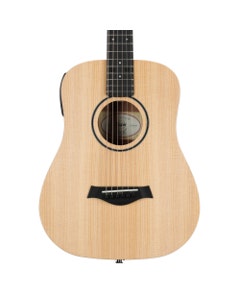
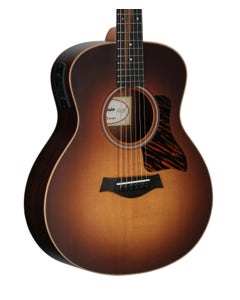
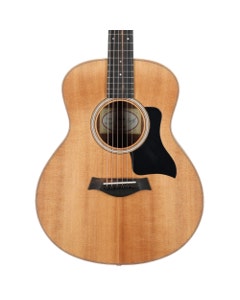
The Little Martin or Taylor Baby and GS-Mini guitars lead the pack in the travel guitar realm. They’re definitely worth a look — even if you don’t want to travel and just want a small, comfortable guitar to pick on the couch.
The Gibson J-45 dreadnought became known as “The Workhorse” because it was built tough and sounded great. But dreadnoughts aren’t always travel-friendly, so Epiphone shrunk down the legendary frame to 7/8 size with the J-45 Express, making it easy to bring J-45 tone wherever the road takes you.
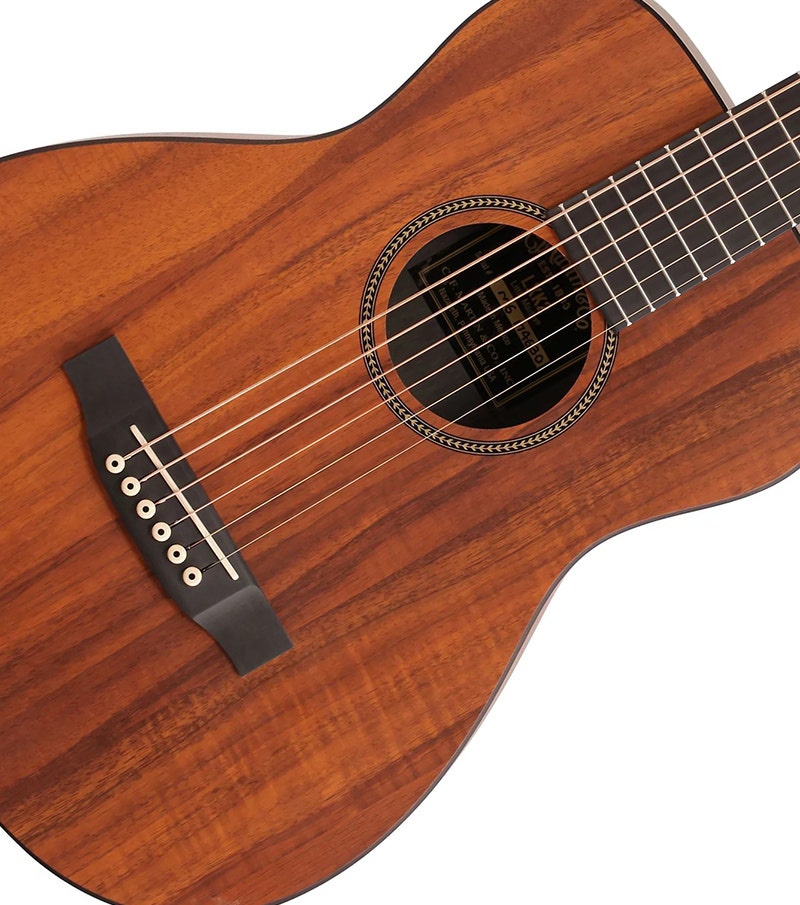
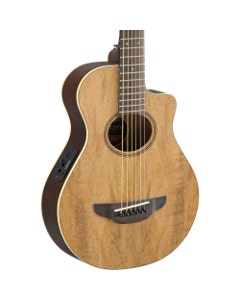
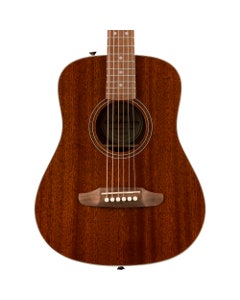
The travel guitar selection at AMS leads with mini-body models from Martin and Taylor, the two names most associated with high-quality reduced-scale acoustics. Alongside those, you'll find offerings from Luna, Ibanez, and other trusted brands, giving you a range of body shapes, woods, and electronics to compare. Pricing spans from around $200 for an entry-level laminate model up to roughly $1,500 for a premium solid-wood instrument, so there's a fit for a first-timer and a seasoned gigging player alike.
If your main goal is a smaller instrument rather than flight-ready durability, browse the Small Acoustic Guitars category, which focuses on reduced size for comfort and reach rather than travel toughness specifically. And no matter which travel guitar you choose, protecting it in transit is non-negotiable, so take a look at the Acoustic Guitar Cases selection to keep your investment safe from baggage handlers and campfire mishaps alike.
Yes, a travel guitar is worth it if you regularly play away from home, whether that means flights, road-tripping, or a small apartment. You give up a little low-end volume compared to a full-size acoustic, but you gain an instrument you'll actually pick up and play because it's always within reach. A guitar you use beats a bigger guitar collecting dust in a corner.
No, travel guitars are generally not harder to play. In fact, many people find them easier. The shorter scale length places the frets closer together and slightly reduces string tension, which can be gentler on the hands. The main adjustment is the smaller body, which some players with larger frames need a moment to get comfortable holding.
A traveling guitar, also called a travel guitar, is a compact acoustic or acoustic-electric built with portability as its primary design goal. It has a smaller body and often a shorter scale length than a standard guitar, making it easier to carry, store, and transport while still delivering a genuine playable sound.
There's no single crowned winner, because the best travel guitar depends on your budget and priorities. Mini-body models from brands like Martin and Taylor strike a solid balance between tone and portability. If budget is leading the charge, a laminate-top model in the lower price range makes sense. If tone is the priority, investing in a solid-top instrument will reward you with noticeably richer sound.
Often yes, but it's not guaranteed. A mini-body travel guitar in a slim gig bag has a real chance of fitting in an overhead bin, since it's shorter and shallower than a full-size acoustic. Airline carry-on rules differ, so check your airline's dimensions before you fly and be ready to gate-check the instrument if the bin is full.
Travel guitars sound very good, though a smaller body produces slightly less bass and volume than a full-size acoustic. The tone tends to be bright, focused, and punchy rather than deep and booming. For practice, songwriting, recording, and casual playing, most players are delighted with the sound. Solid-top models narrow the gap further.