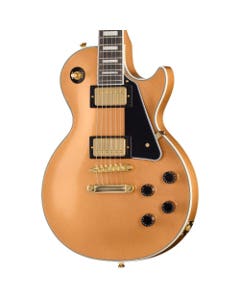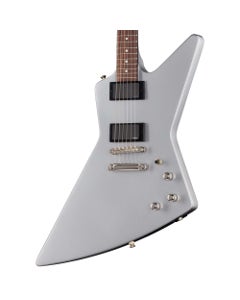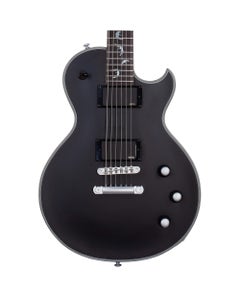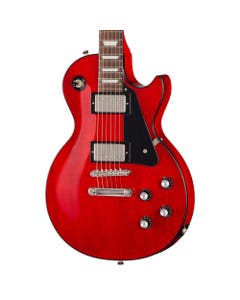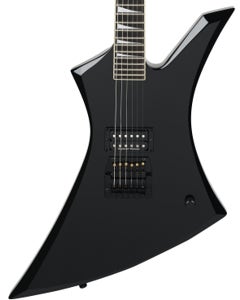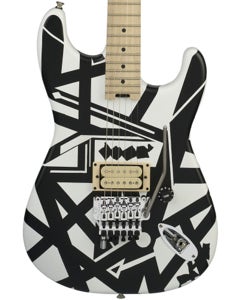
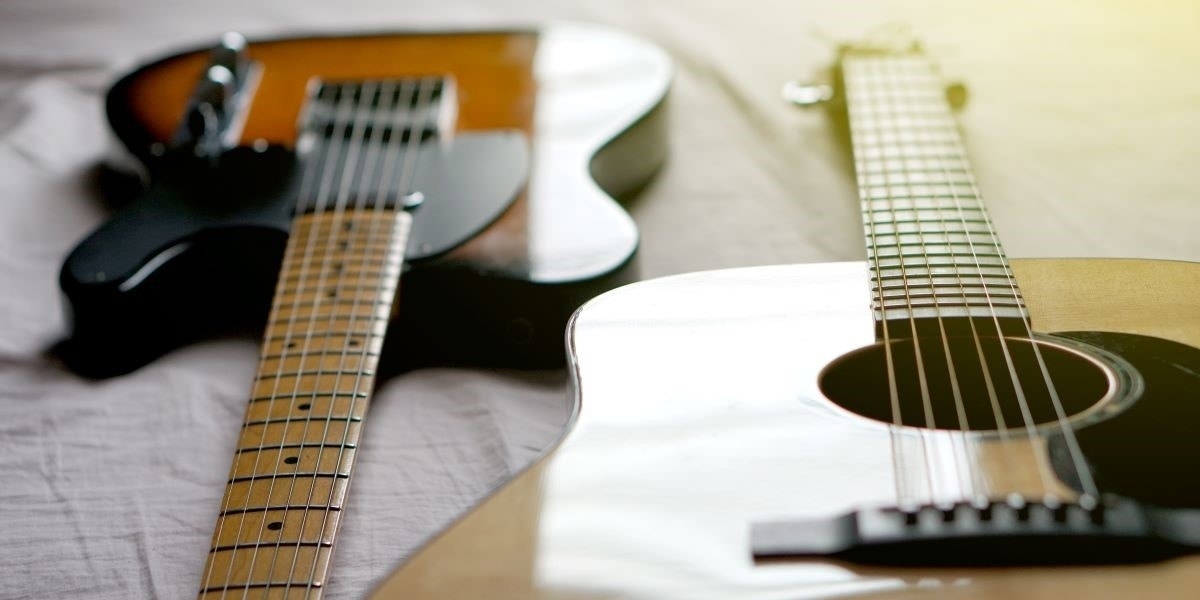
Thinking of making the switch? Playing acoustic is as natural as it gets, and it’s quite a lot of fun too. But sometimes you just feel the urge to expand and see how far you can take your guitar playing. I mean after all, if you’ve seen what Hendrix, Stevie Ray Vaughan, Eddie Van Halen, and Joe Satriani have done with the electric guitar, it becomes hard not to wonder if you can channel that same legendary greatness yourself.
But the opposite is also true: electric players thinking of moving over to acoustic. Sometimes all you really need is a guitar and nothing else, and an acoustic guitar is one of those instruments you could bring with you anywhere. James Taylor, Tony Rice, Bob Dylan, Paul Simon, John Mayer, and many more have been known for their incredible stripped-down acoustic playing, inspiring many to try the organic route too.
The guitar is one of the key instruments that helped shape music and expand it as an art form, becoming something totally different from what it originally started out as. In this article we’re going to get into what it takes to shift over from acoustic to electric guitar and vice versa, and why it’ll change the way you play.
Understanding the Physical Differences
I’m sure by now it won’t surprise you that there’s quite a few key differences between the electric guitars and acoustic guitars, otherwise you wouldn’t be thinking about switching in the first place… But there’s much more than what meets the eye. Not only is it visually different, but the playability and overall tone is also way more different than you’d expect!
Adjusting to the feel of an electric guitar is one of the biggest changes acoustic players experience. Electric guitars typically have lower string action and lighter strings, making notes easier to fret, chord changes smoother, and movement across the neck faster. Because acoustic guitars use heavier strings and often have wider necks, many players initially press too hard or pick too aggressively when switching to electric. The lighter touch required on an electric can take some adjustment, as excessive pressure can cause notes to bend sharp or sound out of tune. Once you’ve adapted, you'll notice less finger fatigue and easier access to barre chords, lead runs, and more mileage on higher frets.
Adapt Your Technique
While acoustic guitars can mask minor imperfections, electric guitars amplify every detail of a player's technique. Finger squeaks, ringing open strings, accidental string contact, and inconsistent picking can all become much more noticeable through an amplifier.
Picking Technique and Dynamics
The transition from acoustic to electric requires some adjustment of your picking technique. Acoustic players often rely on a heavier picking attack to project volume. But on an electric guitar, the amplifier handles all of that for you. Picking too aggressively can sound harsh and creates tension in your right arm, so learning to have a lighter touch and better pick control becomes important. Many electric players learn to use lighter pick strokes, experiment with pick angles, and control dynamics through touch rather than force — they make more of a difference than you might realize.
Using the palm of your picking hand and fretting-hand to mute any unwanted strings is really important for achieving a clean, controlled sound. Start off slowly and then build your way up until your clean and precise at any tempo.
Picking soft and loud, incorporating bends, slides, and pull-offs are also other techniques that you can incorporate into your electric guitar playing and will all be picked up and magnified. Rather than dynamics getting lost in the soundhole of an acoustic, these various dynamics will get picked up and projected out by the amp.
Hardware
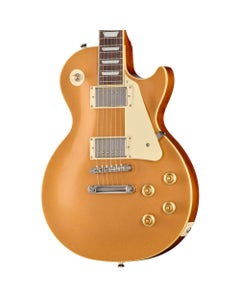
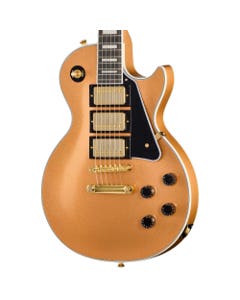
As we mentioned earlier, pickups are one of the big distinctions on an electric guitar. Unlike acoustic guitars, the pickups on an electric rely on magnets to capture the vibrations which then gets sent to a guitar amp. Guitars will likely have a pickup selector, volume, and tone knob to accompany the pickups which helps with the loudness and how you approach tone shaping.
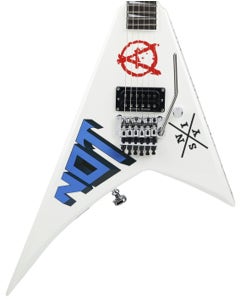
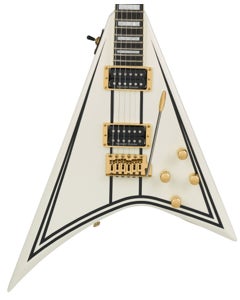
If your guitar has a tremolo or floating bridge (also called a “whammy bar”), you may also need to adjust your picking-hand position, as resting your hand on the bridge can affect tuning and stability until you get comfortable with the setup.
Tone Shaping
Sure, you can mic up an acoustic or plug into a PA or acoustic guitar amp if your acoustic is electric, but a regular electric guitar will always win in having the widest range of tone-shaping options. With an electric guitar, your options to EQ your sound and add on other effects like overdrive, distortion, chorus, flanger, tremolo, and many more.
Nowadays there’s so many amps to choose from, both solid-state and tube, which will add to the shape of your guitar sound.
Developing Electric Guitar Expression
Developing your playing on the electric guitar takes practice, but the transition is usually easier than most expect. Rather than relearning the instrument, you're really just developing new habits and a lighter touch. A great way to adjust is by practicing single-note exercises, revisiting barre chords you already know from acoustic guitar and splitting your practice time between acoustic and electric to help your hands adapt to the different feel.
Learning simple riffs and songs at slower tempos before gradually increasing speed will help you avoid using excessive pressure with either hand and build clean, efficient technique. It can also be helpful to watch your favorite electric guitarists and study how they approach picking, fretting, and phrasing.
As you progress, focus on clean playing before relying on effects or distortion, while continuing to develop your timing, scales, lead technique, and musical phrasing.
Effective practice should focus on:
- Clean playing before adding effects
- Scale and lead guitar development
- Timing and rhythm exercises
- Ear training and phrasing
- Learning songs and solos across multiple styles
As you start to get a handle on the instrument, you can then branch out. It’s great to apply these practices to songs as well so your ear can be guided much more easily throughout the learning process.
Here are a few songs you can start on:
- "Smoke on the Water" - Deep Purple
- "Sunshine of Your Love" - Cream
- "Seven Nation Army" - The White Stripes
- "Back in Black" - AC/DC
You’ll get the hang of mastering the little nuances that the electric guitar asks you to pay attention to.
Recommended Electric Guitars
You’re definitely going to want to start out on a guitar that won’t fight you and will give you a fighting chance. Here are some great electric guitars from the AMS website that we recommend taking a look at:
- Yamaha Pacifica PAC112V
- Epiphone Power Player SG
- Ibanez GRX70QA
- Fender Standard Stratocaster
- Fender Standard Telecaster
Of course there’s a lot of models to choose from, so don’t feel cornered to stick to the models above. Feel free to play them out in music stores or maybe play a friend’s before deciding on the one for you.
What About Moving From Electric to Acoustic?
We’ve talked about making the jump from acoustic to electric, but not so much about going the other direction. If you’ve read the previous sections, you probably already have a good idea of what to expect, but one of the biggest adjustments when moving to acoustic is the increased string tension and overall playability.
Coming from playing the electric guitar, an acoustic may feel a little less forgiving at first. Fretting notes takes more pressure, bends require more effort, and barre chords can be seem more fatiguing until your hands adapt. Because of that, finger strength and endurance really become important parts of your playing experience.
The good news is that the basic fundamentals don’t change. Chord shapes, scales, and lead techniques all transfer directly, so it’s not like you need to learn a new instrument from scratch. The biggest difference is how the guitar responds to your touch. Without an amp, pedals, or effects shaping your sound, your picking dynamics and technique take center stage.
Unless you're playing an acoustic-electric model, there's also no need to worry about plugging into an amp or dialing in your tone… with the exception of an acoustic pickup’s EQ on the soundboard. While that means less opportunity to experiment with effects, it also lets the guitar's natural character shine through. In many ways, acoustic guitar puts the focus back on the player, celebrating good technique and dynamic control with a rich, organic sound.
Transfer Day: Acoustic to Electric Edition
Learning to refine your approach rather than relearning the instrument is the best way to make sense of the transition most face when going from acoustic to electric. The rhythm, discipline, and finger strength developed on acoustic guitar will provide an excellent foundation for when you move to the electric guitar which can open the door to new sounds, techniques, and forms of expression.
If you have any questions regarding guitars, gear, or anything else, feel free to give us a call at 1-800-458-4076 and don’t forget to ask about our 0% interest financing and free fast shipping. See you at soundcheck!