
Few guitar tones are as revered as the edge of breakup sound. Sitting perfectly between a clean tone and full-on overdrive, it hits the sweet spot where an amp’s tubes start clipping and begin to distort while still retaining much of the clean character. It's dynamic, touch-sensitive, and responsive to every nuance of a player's technique, making it one of the most expressive tones for guitarists.
Whether you're playing classic rock, blues, country, worship music, or indie, chances are you've heard this tone countless times. It‘s been the foundation for some of the most iconic guitar sounds in music history and continues to be a go-to setting for players who value feel and dynamics over everything else.
What Does "Edge of Breakup" Mean?
The “edge of breakup” tone is when an amp is pushed hard enough that it starts to naturally distort, turning a clean sound into the beginning phase of overdrive.
What people love about the edge of breakup sound is that you get those rich harmonics, natural compression, and a slight crunch that you wouldn’t get from the clean sound of an amp. It’s expressive enough so that when you play lightly, you get a warm and articulate response and just enough grit. Your sound isn’t completely clean, but it’s not what you would consider fully overdriven.
In my opinion, it’s honestly the best way to get that ‘70s tone without pedals — because that’s really all they did back in those days. Rather than relying on pedals or channel switching, the guitarist controls the amount of drive through their touch and playing technique. Aggressive picking can yield a gritty, expressive overdrive tone without needing to touch a knob. Plus, it sounds more natural, which is really what we’ve all come to love.
What Does Edge of Breakup Sound Like?
The edge of breakup tone has several characteristics that distinguish it from a completely clean or overdriven sound.
First, there’s a subtle grit underneath the notes. You’ll notice that chords feel fuller and thicker, while individual notes have more sustain and presence. There's also a natural compression that smooths out the peaks of your signal, making the guitar feel much more “buttery” or “responsive.”
Another part of the edge of breakup tone is its harmonic content. As the amp begins to clip, it generates additional overtones that create a rich, three-dimensional sound. Any notes you play just seem to bloom after they're played, and chords develop a denser texture that can’t be replicated on clean settings. Every subtle change in attack makes the instrument feel more intimately connected to the player. This touch responsiveness is what makes edge of breakup so desirable for many guitarists.
Some of the guitarists who live on the edge of breakup include Eric Clapton, Keith Richards, Jimmy Page, Stevie Ray Vaughan, Steve Howe, Brad Paisley, John Mayer, and many more. A few players relied on various pedals to mimic the tube-clipping that would bring you to the desired tone, but it’s undeniable how good it sounds.
How to Achieve Edge of Breakup Tone
Achieving edge of breakup depends on several factors, including your amplifier, guitar, pickups, pedals, and playing style. Here’s how it’s done.
Start with the Amplifier
Traditionally, the edge of breakup sound is associated with tube amplifiers because tubes naturally compress and distort in a pleasing way when pushed hard enough.
The goal is to increase the amp's volume or gain until the tubes start clipping, and it’s right on the verge of giving you some overdrive but not pushing it past that. Lower-wattage amps tend to reach breakup more easily. A 15-watt combo may enter this sweet spot at reasonable volumes, while a 100-watt head can require pushing to extremely loud settings before it begins to saturate naturally. Yeah… good luck to all of you Fender Twin owners.
So, what do you do if you have a powerful amp and want to achieve edge of breakup? Getting an amp attenuator will allow you to crank the amp up and still be able to play with the volume at a lower level. For 100-watt amps, trying to get that edge of breakup tone might end up costing you your hearing, so an amp attenuator is the exact piece of gear that will allow you to drive your amp, absorb some of the power, and send the rest to your speaker at a reduced volume. Now you don’t have to worry about sacrificing your ears for that gorgeous tone.
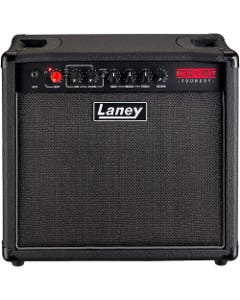
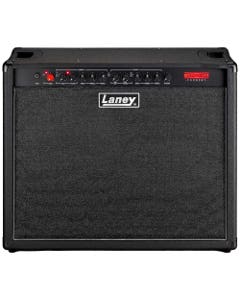
Just about every tube amp can get you to the edge of breakup tone. However, some are better than others. Here are some of the most popular tube amps to get you right in that sweet spot:
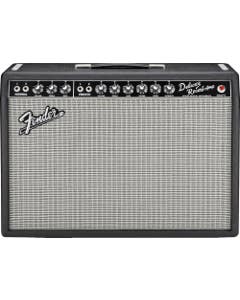
- Fender 65 Deluxe Reverb
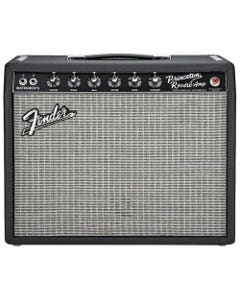
- Fender 65 Princeton Reverb
- VOX AC15 Combo
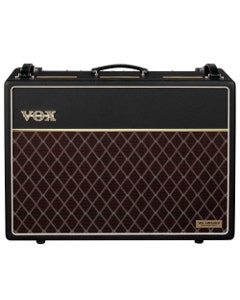
- VOX AC30 Combo
- Marshall 1962 Bluesbreaker
- Bad Cat Mark Sampson Modified Black Cat
These are some great starting points if you want an amp that’ll help you get the edge of breakup tone. But really, all you need is a good tube amp. Solid-state amps don’t replicate the tube breakup tone as well, sometimes leaving your tone sounding too jagged and more like it was microwaved.


Use Your Guitar's Volume Knob
One of the secrets of great edge-of-breakup playing is learning to use the guitar's volume control.
Set the amp so that the guitar is slightly overdriven when the volume knob is fully up, then roll the guitar volume back down to 6 or 7. In many cases, the sound will clean up beautifully while still retaining that touch, warmth and clarity. This technique has been used by countless professional players because it allows seamless transitions between clean and dirty sounds.
Consider Your Pickups
I think it’s important to call the pickups when looking for edge of breakup. A lot of people forget how pickups and their output levels have a significant impact on breakup.
Low-output single coils tend to preserve clarity and require more volume before the amp starts to distort. This often produces a bright, articulate edge-of-breakup sound — you know this from Fender guitars.
Humbuckers generally drive the amp harder and reach breakup earlier. They create a thicker, warmer tone with more midrange emphasis.
In the end, neither is better than the other; they're simply just different flavors of the same concept. It all depends on your own tone and playing preferences.
Add a Boost Drive Pedal
Many players use a transparent overdrive or clean boost to nudge an amp into breakup territory rather than just relying on their amp to do the job. That way, you can set your clean tone how you like it and stomp on a pedal to nudge you right to the edge.
Here are some of our favorite boost and overdrive pedals to achieve edge of breakup:
- Ibanez TS9 Tube Screamer
- Klon-style Overdrive
- Fulltone OCD
- Boss BD-2 Blues Driver
- Marshall Bluesbreaker
Now, the goal isn't full-on heavy distortion. Instead, these pedals act as a nice, little push, helping your tone reach the sweet spot while preserving touch sensitivity and dynamics.


Warm Audio Centavo Professional Overdrive Pedal
Special Price $179.00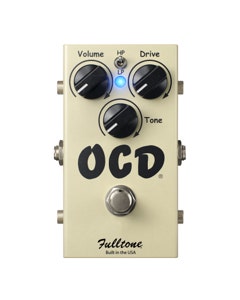
Fulltone OCDv2 Obsessive Compulsive Drive Pedal
Special Price $168.45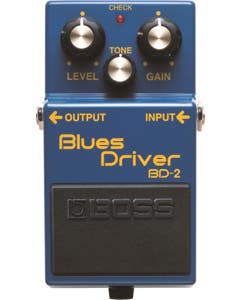

Finding the Sweet Spot
Not only does the edge of breakup sound good, but it also changes how you approach your playing in general. If you play with some drive in your sound, you may be more inclined to take more chances, be more courageous, and put in some more energy. At the end of the day, it does make a difference and it’s definitely worth trying out, especially when it comes to playing various styles of music.
If you have more questions about how to achieve the edge of breakup tone or the gear that would work best for your style, feel free to reach out to the gear experts on the AMS Customer Service team by calling 800-458-4076. No matter what questions or concerns you have, you can bet we’ll help steer you in the right direction.