
So, you think you’re up for the challenge of writing, recording, and releasing your own song? Maybe you have a song idea already and you want to record it but don’t want to spend tons of money on a recording session. Well, the good news is that you can write a song, record it, and release it on your own very easily in today’s world.
Back in the day, this process required more time and money, which made it much more difficult. You would’ve needed to pay for studio time, hire session musicians, a producer and engineer, and then get it into someone’s hands for them to release and promote it. Obviously, it all adds up.
Nowadays, people are recording and releasing music themselves with just a computer and an audio interface. How do I know? Well, I did it! I dropped my track "Heart's on Fire" in April 2026 (shameless plug, but check it out if you’d like), and here are the steps I followed — and a few tips and tricks to help you along the way.
Recording and Producing Your Song
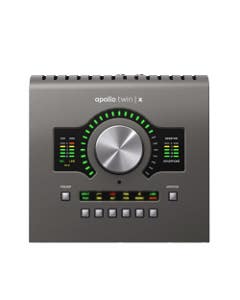
To record and produce a song on your own, you need only a few basics: a computer; a digital audio workstation (DAW) like Pro Tools, Logic, Studio One, or Cubase; and an audio interface to capture your sound and bring it over into your DAW.
Feel free to check out our article on how to set up your first recording studio if you don’t have access to a studio and are looking for a means to record. There are a lot of bundles and recording packages out there that come with everything you need in one box.

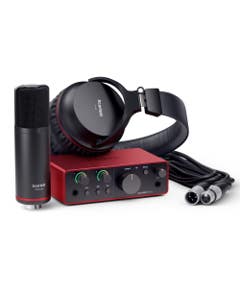
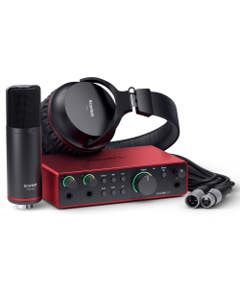
Once you’ve got that setup ready, you can start recording. The more familiar you get with your DAW, the easier it becomes to track, edit, and shape your song the way you want.
One approach I always come back to is sitting with a song for a little bit instead of going with my first idea for each section. Giving yourself a little space to map everything out can lead to stronger choices and overall a better final product. Of course, sometimes your first instinct might end up being the right one... You’ll know.
Whether you decide to mix and master it yourself or if you choose to get someone to do it for you, don’t forget to make sure everything is balanced and up to industry streaming standards before submitting:
- High-fidelity audio – Lossless, 24-bit/96kHz
- Loudness targets around -14 LUFS (loudness units full scale)
- Detailed metadata (DDEX standards)
Create Artwork and Visual Assets
The visual aspect is something many artists don’t prioritize enough. A lot of artists put their visuals on the back burner, but they’re actually incredibly important. Whenever you drop a new track, you should pair it with eye-catching artwork so people can instantly connect with your vibe. After all, we want to see what we're hearing!
While it’s great to hire photographers, videographers, or graphic designers, don't be afraid to take the DIY route. Tools like Canva and Photoshop make it surprisingly easy to mockup your own album designs — plus, you get total control over the final look. And if you need some inspiration, start by checking out the album covers and social posts from your favorite bands. I like to pull together 4-5 pieces of art that match what theme I’m going for, create a couple of drafts, and bounce them off my friends. Getting a second opinion from people you trust can really help you nail down the perfect design.
Once you've picked your artwork, make sure it’s a high-resolution file. Distributors usually require a 3000x3000 pixel image. If you don't format it correctly, you might end up with a blurry or off-centered album cover, which is the last thing you want. Been there, done that!
You should also think about gathering some extra video content, like a music video or bite-sized clips for TikTok and Instagram. This gives your fans something tangible to associate with your music. If you're working on a tight budget, there are plenty of great visualizer apps out there to help you get the job done.
Think of your visuals as a chance to keep telling your song’s story. What is the track about? Who are your ideal listeners? What emotions do you want to convey to others? Have fun with it and get creative!
Submit Your Song to a Distribution Company
The next step is to submit your polished track(s) to a music distribution company. Think of them like the bridge between you and major digital streaming platforms. They get your music on the platforms and collect royalties for you for every stream.
A lot of artists use platforms like DistroKid, CD Baby, TuneCore, and Amuse to upload their music. The best choice really comes down to how often you plan to release songs and what your budget looks like.
For example, CD Baby charges per release, and your music stays on streaming platforms permanently unless you choose to remove it. DistroKid works differently. You pay an annual membership, plus any optional add-on fees when you upload. So, if you’re planning to release music regularly, DistroKid might be the better fit. If you only put out a few songs each year, CD Baby might make more sense.
It’s worth spending some time comparing distributors before you decide. Look at their pricing, what’s included, and how each one lines up with your release schedule. Some platforms also offer extras, like playlist pitching or sync opportunities, which could matter depending on your goals.
Once your song is ready, you can upload it to your distributor and choose a release date. Just make sure you give yourself enough lead time for the track to reach all the streaming platforms, plus any extra stores or sites your distributor sends to. A good rule of thumb is to allow 4–6 weeks. That gives your release time to process and gives you plenty of time to build momentum and pitch for playlists.
Legal and Administration Tasks
As part of the upload process, you’ll need to gather your metadata, including the track title, artist credits, ISRC codes, and genre tags. You'll use this info later to register your song with a Performing Rights Organization (PRO) like ASCAP, SESAC, or BMI. If you haven't joined a PRO yet, make sure to sign up. It's the only way you can start collecting your royalties as soon as your music goes live!
Always make sure to clear any samples or licensing tasks to avoid legal complications. Hip-hop artists who use samples and beats, make sure you clear them! I know this is one of the most boring parts of the whole process, but it can be arguably the most important. I’ve seen many people get their songs taken down after putting all the hard work in just because they didn’t get their samples cleared. Even if it’s from a royalty-free website, double check… It’s good to know you’ve got some peace of mind.
Create Pre-Release Buzz
Alright, so your song is uploaded, the artwork is chosen, and the legal details are locked in. Now it's time to build some hype. You'll want to launch your pre-save campaigns early to get the word out. The goal is to get fans so excited that the second your track drops, they’re already ready to hit play.
A great pre-release strategy is to focus on sharing bite-sized, engaging content. Think behind-the-scenes stories, raw demos, studio snippets, or maybe even cool lyric videos. You don't need anything fancy — your smartphone works perfectly, though you can always level up with professional video equipment if you want.
This is your time to get creative. Jump on TikTok and other social platforms to share videos that start to stir the algorithm. Let fans into your creative process, encourage them to share your music, and line up a steady posting schedule right up until release week.
Pitch Your Track Like a Pro
Try to pitch your track to Spotify's editorial playlists at least a week before release day. It's also a great idea to hit up curators on platforms like SubmitHub or Musosoup. This helps you line up some extra buzz and land a few playlist spots right out of the gate.
When you're scoping out playlists, keep a close eye on two things:
- Follower count: Are people actually listening?
- Total run time: A playlist might have a ton of followers, but if it runs for 17 hours, your track is just going to get lost in the pile. Nobody is listening any further than the first 7-8 songs.
Most importantly, make sure you're pitching to playlists that actually fit your style and genre. You want to train the streaming platforms’ algorithms to push your music to the right listeners. Imagine performing a smooth jazz set, like Kenny G, for a crowd expecting a band like the Foo Fighters or ZZ Top — yeah, you get the idea. Continue scoping out any playlists that cross your path until release day.
Promote on Release Day
Congrats, you made it to the most exciting day: Your song is live! So, what’s next?
With your song now live, it's time to promote it (again/still). Share the track across your social media channels and encourage friends and family to do the same. Continue with your scheduled posts and give a shout-out to any playlists that feature your song. To maintain momentum, also share any reviews or features you've received from platforms like SubmitHub or Musosoup.
When I released my song, I made sure all my social posts were prepped and scheduled ahead of time. I pitched to the Spotify editorial playlists about two months in advance and saw that it was picked up upon its release day. That way, it left me completely free to just hang out online and focus on chatting with the people engaging with my posts, connecting with collaborator accounts, and replying to emails.
Maintain Post Launch Momentum
One thing to keep in mind, not all songs peak the first day, so keep engaging with those who interacted with your posts. Don’t worry if your song doesn’t get as much engagement at first; that’s where you can shift to embracing the slow burn.
If you have a music video, you can post it a day or two after your release so that your audience has a visual performance to go with the song. Presenting your song in as many different ways as possible will not only help solidify the presentation of your release, but it will also help get it in front of anyone who may have missed it. Not to mention, it also gives the algorithm a chance to connect it to more people who might be outside your immediate circle.
Also, don’t pay for streams! You run the risk of your song getting taken down or ruining the way streaming algorithms identify your song. It’s evident to these platforms when your song gets 15,000 streams the first day and then planks.
Take Control: Your Success Awaits
I always say, talk to many people as possible about their release strategies and see what resonates with you. You might find other resources that you weren’t aware of and that can be beneficial in helping you release your song to the world.
Though it might seem like a lot of boxes to check off just to successfully release a song, it’s all to ensure everything is registered to you and to ensure you get paid for your vision and hard work. Don’t forget us when you’re famous from your hit single! And if you need any recording gear along the way, you know where to find it.
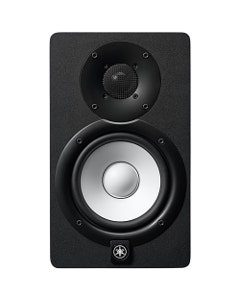
Yamaha HS5 5 Inch Powered Studio Monitor in Black
Special Price $199.99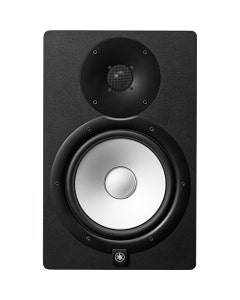
Yamaha HS8 8 Inch Powered Studio Monitor in Black
Special Price $398.99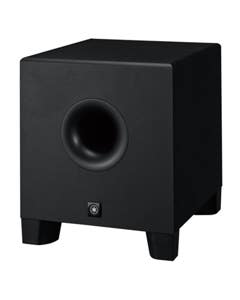
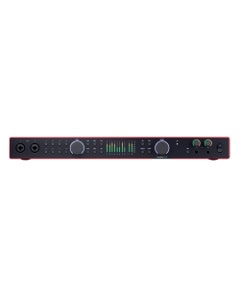
Focusrite Scarlett 18i20 Gen 4 USB Audio Interface
Special Price $769.99
Focusrite Scarlett 2i2 Gen 4 USB Audio Interface
Special Price $224.99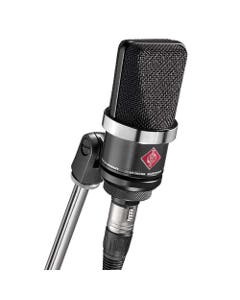

Neumann TLM103MT Large Diaphragm Cardioid Condenser Microphone Black
Special Price $1,295.00
Shure SM7dB Active Cardioid Dynamic Broadcast Microphone
Special Price $549.00